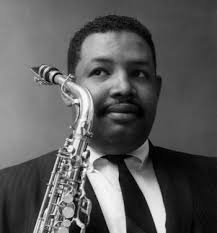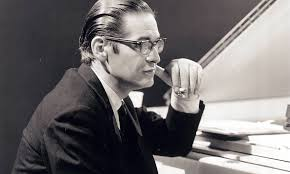
Studio Album | Released January 1965 | Recorded December 9th 1964 at Van Gelder Studio | Impulse! Records | Producer Bob Thiele
The John Coltrane sound: heavenly, spiritual, otherworldly. A Love Supreme is for many the peak Coltrane album. For others it is at least the most famous one, the record that hit the jazz world the hardest and left the deepest mark.
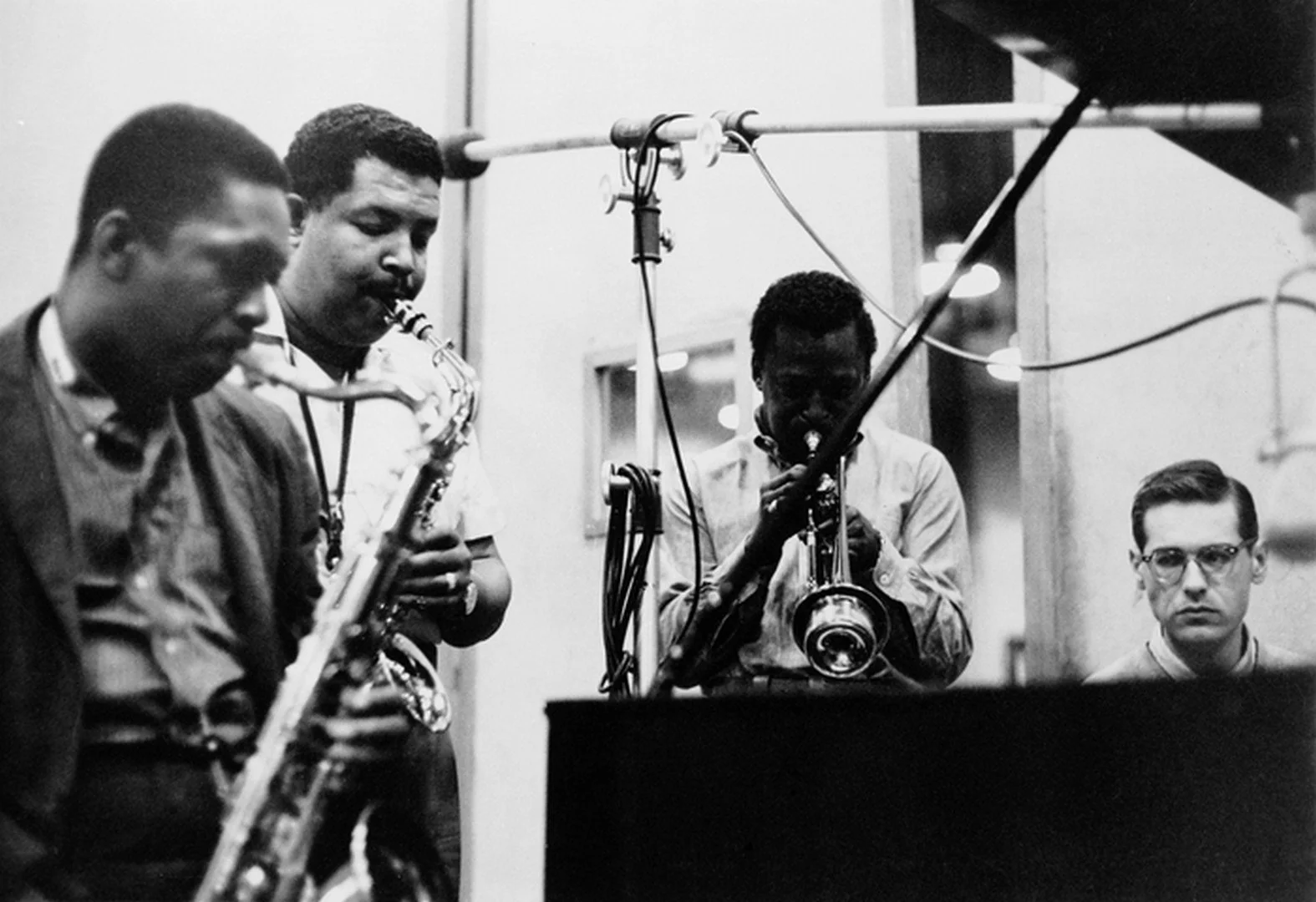
Music as expression of soul and spirit. That is what John Coltrane eventually dedicated his life to. By the time he began working on A Love Supreme, prior to 1965, he was already deeply accomplished as a musician and a horn player, having appeared in probably the best jazz band ever put together alongside Miles Davis.
1964
The album was conceived and recorded in 1964. In many ways the cultural movements of the decade were still at the cuff. The wave had not yet formed. Music was definitely pushing toward societal reflection and change, with records like Bob Dylan’s The Times They Are A-Changin’ and Sam Cooke’s “A Change Is Gonna Come.” The civil rights movement is key context as well. By 1964 the movement had developed into a massive outpouring of protest. Lyndon Johnson had taken over as president after the assassination of John Kennedy. The war in Vietnam was not yet on most folks’ minds, but it was looming.
In jazz, John Coltrane loomed over others as an emerging figure of the free jazz movement. He had broken out as a solo artist after his stints working under Miles Davis. 1964 was a year of hard work, but it also gave him room to rest, enjoy his newborn son, his first, and spend time with Alice in their new house on Long Island, New York. It was at this house that John secluded himself and began to develop the concept of A Love Supreme.
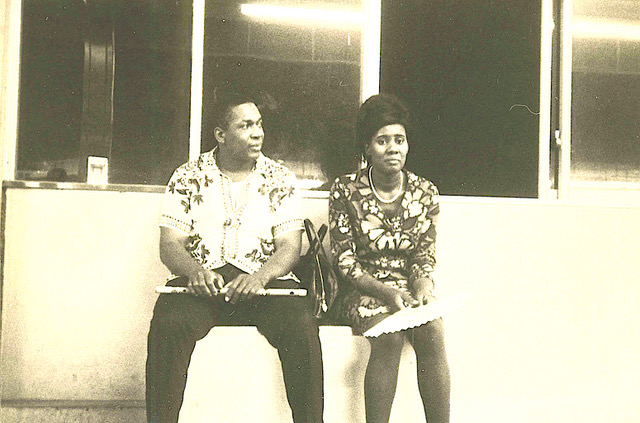
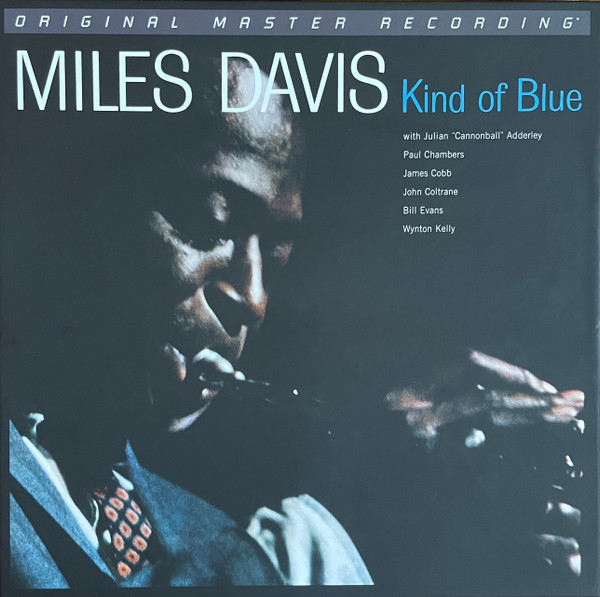
Coltrane’s path to A Love Supreme ran through his years with Miles Davis, and a lot of the inspiration for free improvisation most likely took root while working on Kind of Blue. It was a time of listening, learning, and growing. And between the two recording sessions of Kind of Blue, Coltrane made Giant Steps. A seriously innovative record on its own, but what it also was for Coltrane was an exhibition in composition and music writing. It was proof that he was on the path to getting things going for himself and growing as a creative.
Then there was the soprano saxophone, a new instrument picked up mid-career. An interesting move. There’s a lightness to the soprano, he would say. You can play lighter things on it. It’s a relief to shift to it. The soprano gave him “My Favorite Things” and a hit, and it widened the range of what his voice on a horn could be. That widening matters on A Love Supreme, even on a record where the soprano never appears.
Something else Coltrane had to traverse to get to the point of making A Love Supreme was severe heroin addiction. In the 50s, using was not universal among jazz artists, but it was readily done and many artists had easy access to it. John was caught up in the attraction of drugs as a path to higher planes and higher abilities on his instrument. It did everything but that. Coltrane quit heroin cold turkey, and through sheer willpower and faith made it through a darkness few people have any idea of the difficulty of. That moment, the spiritual awakening of 1957, is the very experience he references in the liner notes of this album. A Love Supreme is, in a real sense, the thank you note for surviving it.
December
Coltrane’s record label had set aside about half of the second week of December. Tyner and Jones remember Coltrane calling them up and arranging a session for December 9th.
Recording an album usually takes time. Days, weeks, sometimes months. Depends on the artist, I would say. But something is vastly different about A Love Supreme: it was recorded in one night, in one session.
The Quartet
The quartet on this record is a product of experimentation, but the end result is a band that allowed Coltrane full inventiveness and full confidence in working together. The record could not have been made without their collective skill, ability, and knowledge of music.
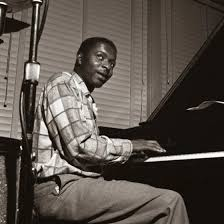
Pianist: McCoy Tyner
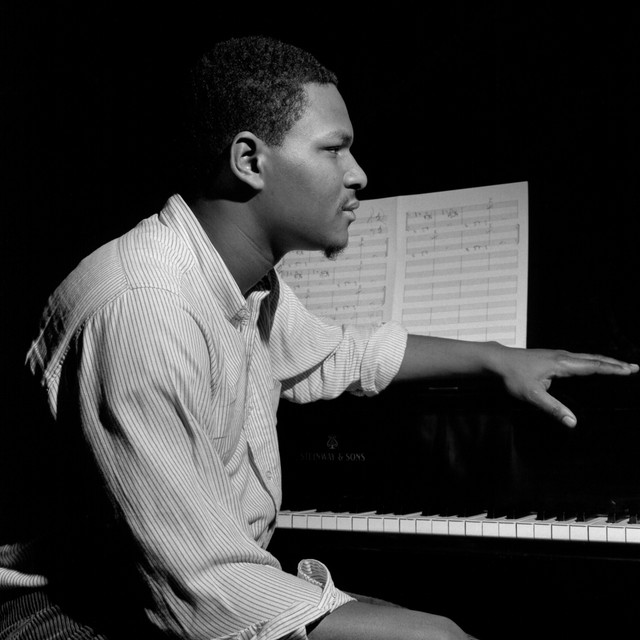
Tyner joined up with Coltrane around 1960, a confident young pianist who had what Coltrane wanted: a clean and astute harmonicist. Even though Tyner was 12 years younger than Coltrane, the two seemed to share the same musical focus and a spiritual leaning. They worked well together.
Tyner relates the relationship to a brotherly one in Chasing Trane, the John Coltrane documentary. They were like brothers, and they were together for one reason: to create beautiful music. Full commitment. Full humility. No ego.
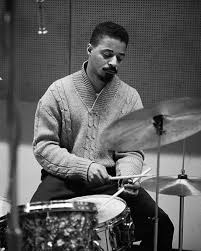
Drums, Gong, and Timpani: Elvin Jones
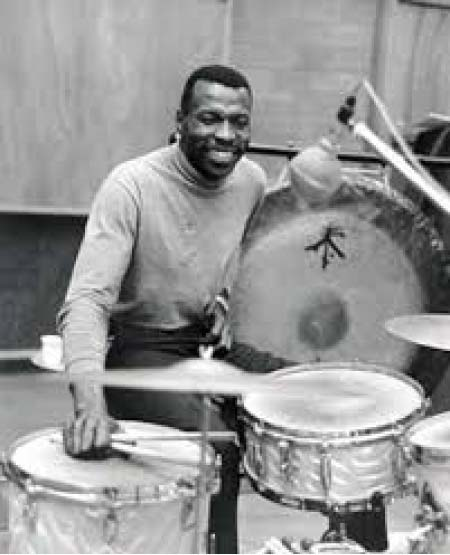
A master of the polyrhythmic style. Not the most in-demand drummer at the time, apparently. He would take liberties on the drum kit, drawing unwanted attention from bandleaders who wanted something tamer. But Jones was an amazing drummer, a master of his instrument, one who looked at the drums as intently as Coltrane looked at his horn. A naturally gifted player and a perfect addition to this quartet.
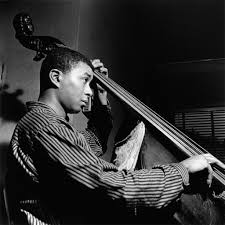
Bassist: Jimmy Garrison
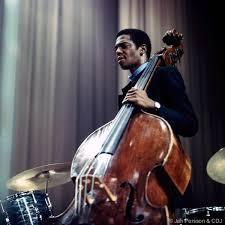
Garrison had come up under another sax impresario and innovator, Ornette Coleman. Coltrane had been seeking a bassist who could match the strength required to work alongside a drummer as challenging and effective as Elvin Jones. Garrison joined the quartet in 1962 as the final piece of the band.
The group gave Coltrane the feeling and the force he wanted. He wanted extremely capable musicians who could perform and sound like a unit without needing to force it. He wanted the feeling to be there rather than the hard edges of each musician playing on his own. Gathering this group was vital. From the point in 1962 when it solidified, the quartet became known for its work ethic, and its popularity shot up. It was Coltrane’s hot group, destined for something great.
With this group, John Coltrane became the immense jazz figure that would seal his legacy. It tracked right into the making of A Love Supreme.
The quartet formed, and the records came through. They recorded Crescent earlier in 1964, and man, what an album. Moodier, more contemplative, the band settling into longer forms and deeper waters. You can listen to it as a subtext, a prologue to A Love Supreme. Crescent is the record if you want to hear the quartet gathering itself for the leap.
Producer: Bob Thiele
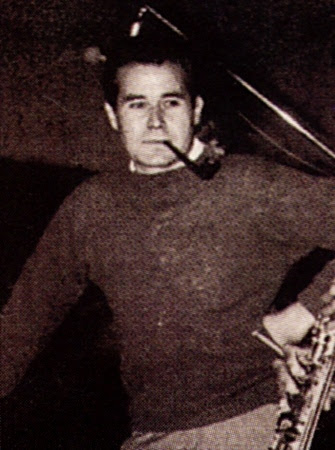
On Bob, John said his duties were basically to keep the lights on and keep the tape running. A real backseat appearance for a producer. With all that expertise in the room, production gets pushed to the side. These were experts. Especially John.
Significance
The record landed in people’s homes like a gift from God. It was early 1965, right in the middle of the 60s. People were pursuing new religions and seeking truth through other means, music being one of them. People were seeking different lifestyles and accepting a universal consciousness. A Love Supreme was a perfect representation of that effort.
A Love Supreme is dug deep into our cultural awareness, and that is something I’ve taken for granted myself. Even the phrase, the album title itself, inspired similar phrases down the line. A “blank” supreme. Anytime you hear that construction, it’s owed to Coltrane. It was one of the first records to be unapologetically devoted to a higher power.
Many place the record, and sometimes Coltrane himself, into a religious context. For many listeners the music represents a voice from a supreme being, whether that voice is Coltrane himself or Coltrane channeling something through music. What you hear is someone playing an instrument beyond any extension of himself. It is himself. Full artistry, full mastery of craft, full immersion, and full transcendence.
The Object
My copy is not an original, not significant by any means. However, it is the music on vinyl, and for me that is significant enough. I’ll say that for a lot of records. It’s a 2023 US Impulse! reissue bought from my go-to record store right now, Recycled Records in Monterey, CA.
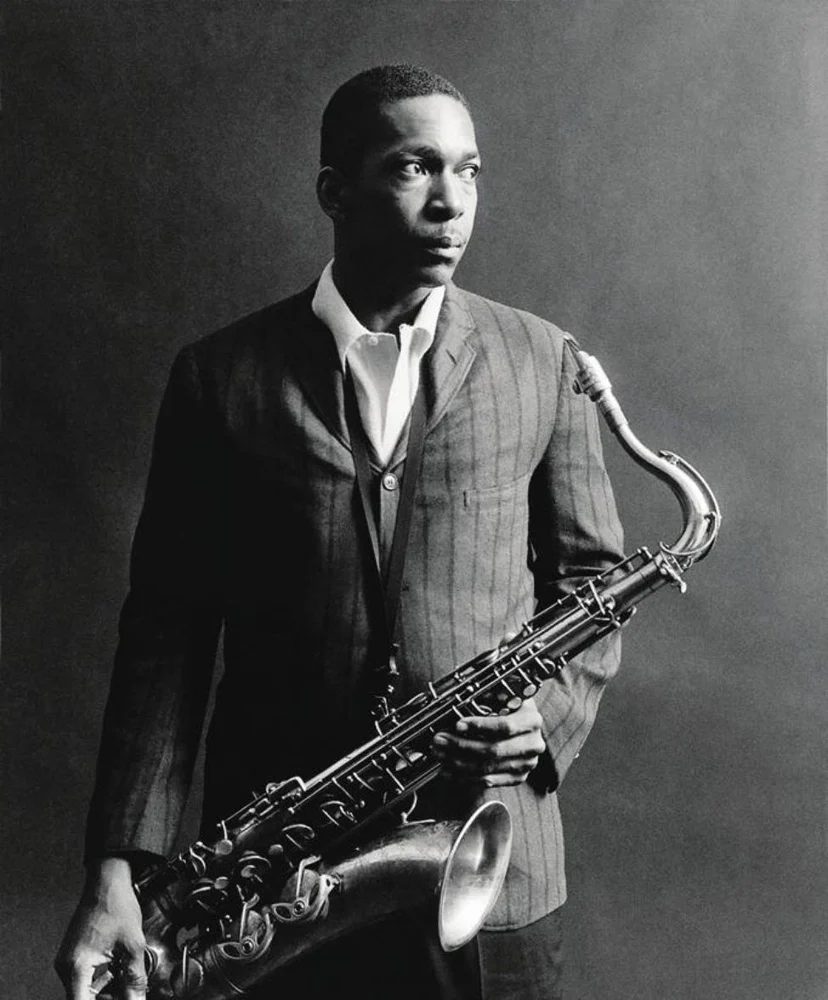
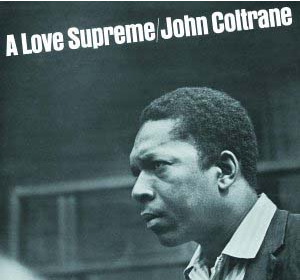
A beautiful album cover. Instantly recognizable. Pure Coltrane. His gaze is not toward the camera but forward, toward a path to making better music. The photo was likely taken by producer Bob Thiele around the time of the recording. I really like the title font and how the title of the record comes first, then its maker. The tilt of the typeface seems to follow the same tilt as John’s eyes in the image. There’s not much simpler artwork than this, and it’s incredibly effective.
The Music
The album plays like improvisation mixed with composition. It blends genres together, and you can hear gospel, free jazz, bebop, and blues throughout. It eventually became known as spiritual jazz, a term that had never been used before. But many just see it as music, period.
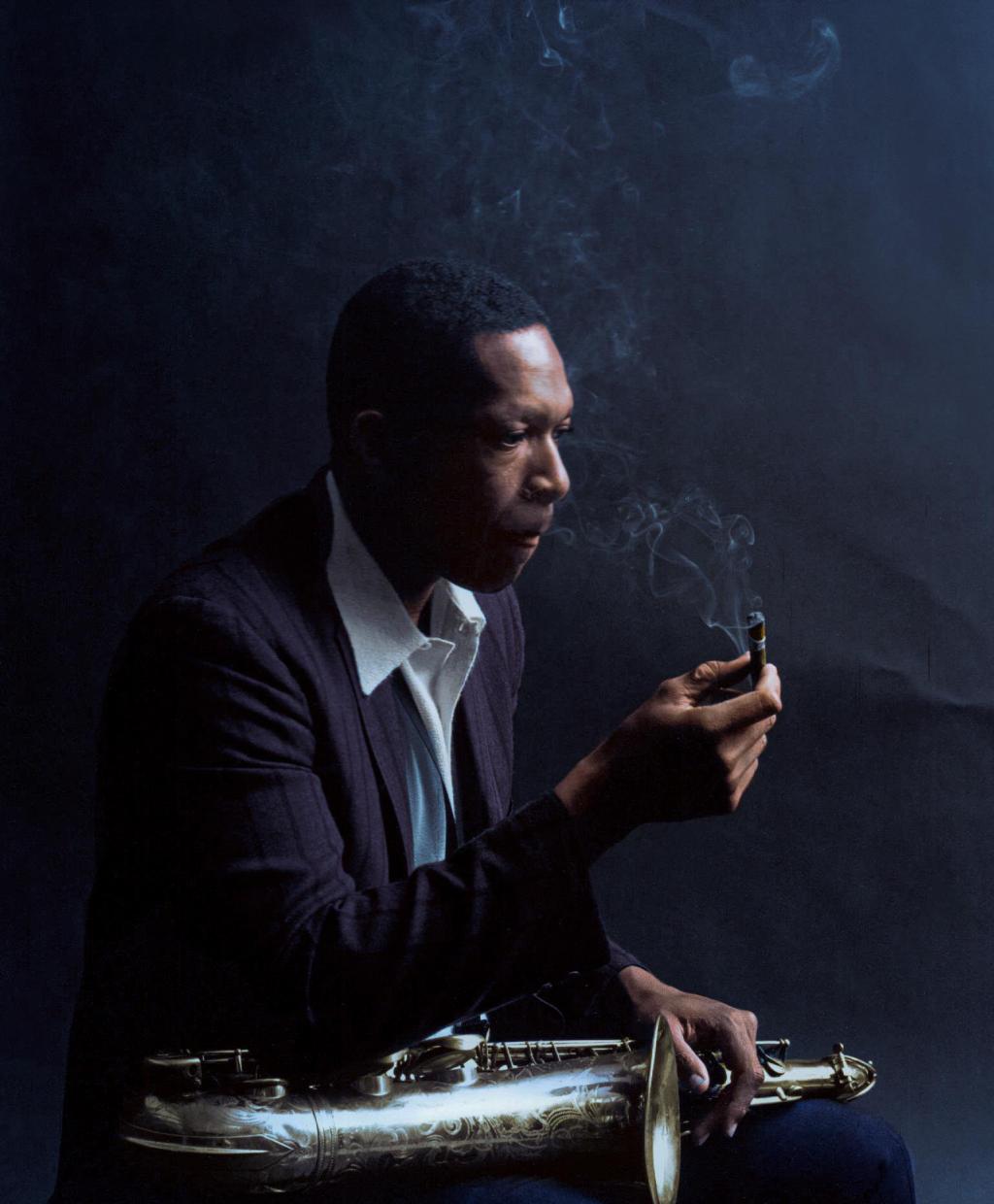
The John Coltrane sound: no vibrato, the shrieks, the rapid-fire runs. Vocal-like. It’s a tone. It’s purely him. It’s from deep within. It’s a howling soul and a wailing preacher together. On A Love Supreme he used the tenor saxophone for the entire recording, noting that it had the depth the music required. The tenor is close in tone to the human voice, and if these sessions were meant to come across as sermons, you can see why leaving the soprano behind made sense. The tenor is a voice here.
Before even stepping into the studio, John had visualized the music as a connected suite: two pieces on side one and two pieces on side two. This is how the final product appears, and this is how the record was recorded.
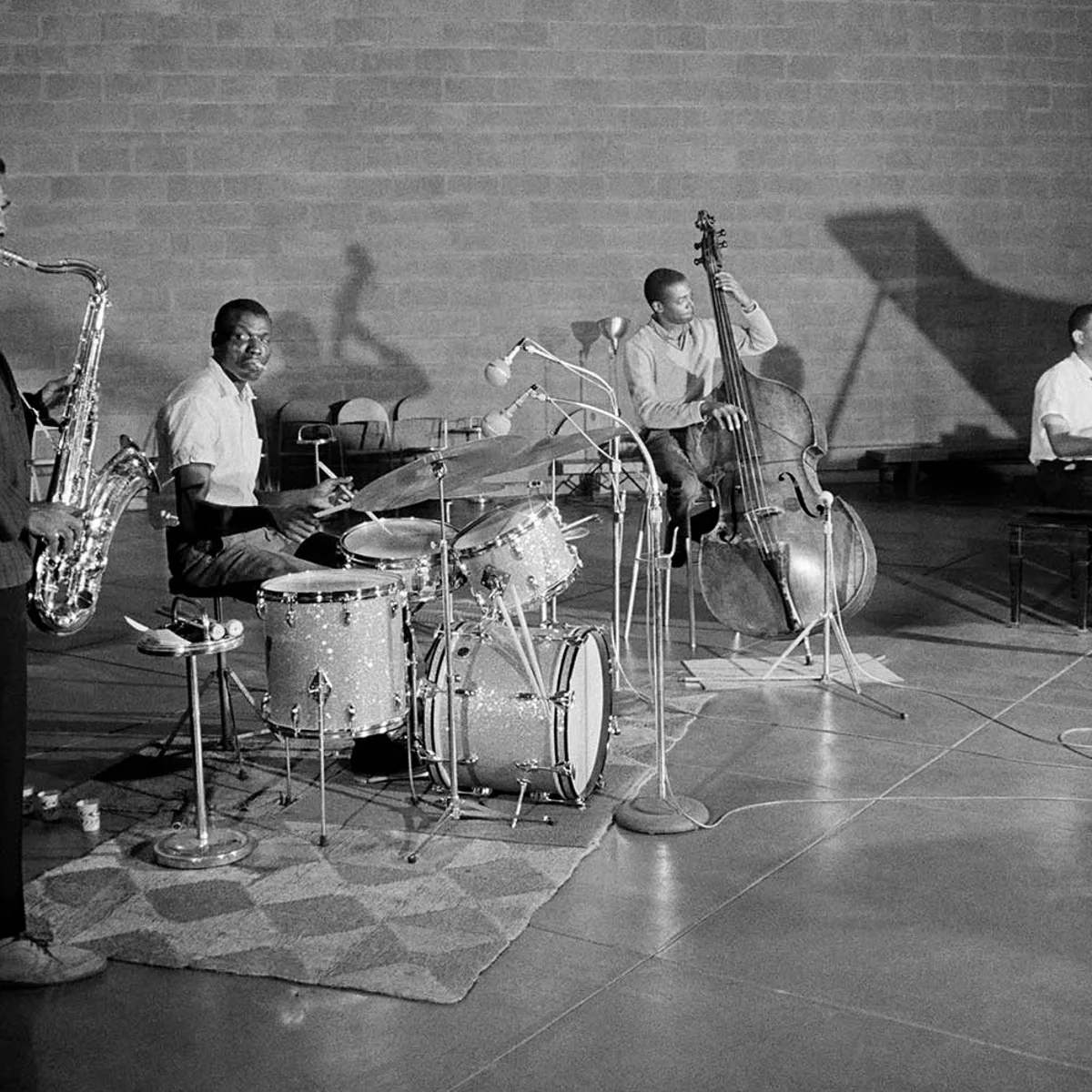
Acknowledgement
The first gong hit and the opening lines from the sax are immediately transporting. You know you’re in for something different and special.
Coltrane’s opening is transporting but familiar at the same time. To me it’s reveille, the wake-up call. It’s curtains opening. It’s a door opening. The signal to begin something. The signal for prayer to begin. The imam calling. Elvin Jones dances on the cymbals as that welcome ends. Then Garrison enters with that four-note motif. It is the album’s title in a four-note sequence.
A love su-preme.
Then Tyner takes a few chords as the rhythm develops. Coltrane’s horn returns. In full force. With a melody that just kills. Intensity is reached, and Tyner and Jones match it. Jones and Coltrane are really reaching heights here on “Acknowledgement,” interplaying so well. There’s a consistency from Jones that allows Coltrane’s flourishes and movements across the musical atmosphere. The cymbal is an interesting instrument to focus on here.
Coltrane reaches peak intensity and then backs down, like a hiker on the downslope. Longer pauses open up between lines, and then the recurring theme enters the room. He plays the four-note motif 37 times in a row, in different keys.
It’s an exercise in roaming key modulation. A masterful display. Some interpret it to mean that God exists everywhere, in every key. Some take it as a display of pure talent and ability.
Then the tenor is put down and Coltrane takes the mic, one of the rarest moments on any of his records. He chants the mantra 15 times, drops to a lower key, and says it four more times. The song ends as the quartet slowly drops out, but Garrison remains. The bassist is the final musician you hear on this piece and the first you hear on the next.
Resolution
The seventh take. Garrison gives an introduction to the track on bass. A simple rhythm and theme, and it does little to warn you about the onslaught of Coltrane’s sax when it comes. It comes in blasting with the most out-there melody you’ve ever heard. Even today this melody makes me feel something I can’t pin down. It’s that dramatic and affecting. What ensues after the initial shock is a relatively traditional 4/4 jazz workout with Coltrane soloing.
Then Tyner takes a solo. This solo is a highlight of the record. It’s insanely good and really hard to describe. Tyner’s left hand is fluid while his right hand stays fixed, playing mostly chords to follow and give structure to what the left hand is doing. I can’t begin to understand how difficult that is to do. But here, you can hear it done. It’s mind-boggling.
Coltrane flows back in with his own solo, carrying a subtle respect for what Tyner just accomplished. His second foray as soloist on this track lasts through the remainder of the recording. He flourishes along, some of his lines blues-tinged. Then he strains on some wicked high notes, pushing the limits, and returns finally to the original melody. Garrison and Coltrane finish up while allowing the melody and the track to settle out and resolve, if you will.
Pursuance
This track begins with Jones taking a solo of about 90 seconds. His adaptable talent is on full display. Jones reported that Coltrane gave him no direction for this solo, so what you hear is supposedly unplanned. It is a showcase of his polyrhythmic ability. What it really sounds like is Jones using all of the drum kit at once. He playfully executes this extremely fun solo and slowly reaches a conclusion, still going at a brisk pace as Coltrane and the other two bandmates filter in.
Coltrane’s intro rushes in with an initial blast of this new tune’s melody. Before that even gets a chance to sink in, Tyner takes another solo, his second on the album. Tyner really takes a walk around the room here, dancing around the melody of “Pursuance” at a sometimes breakneck speed. The left hand is just flying. Amazing stuff. Then Coltrane returns.
Coltrane’s entrance into this track is the peak of the energy on the recording. It is a powerful exposition of melodic runs and strings of new ideas. It’s way out there. Underneath Coltrane is Jones, flying around the kit as well. The two together are reaching new heights simultaneously. A real partnership.
Coltrane flourishes through the melody for a couple more measures, leaving Jones to find the track’s ending. In reality it’s a false ending. Jones gives some whaps to the snare and cymbals while Garrison begins an improvisation that runs for the next three minutes. His solo here is a truly unique point on the album. He does some great call-and-response work all by himself, moving from chord sequences to several-note combinations and answering them with chords. He travels up and down the strings with ease, and this closes out probably the most intense track on the record.
Psalm
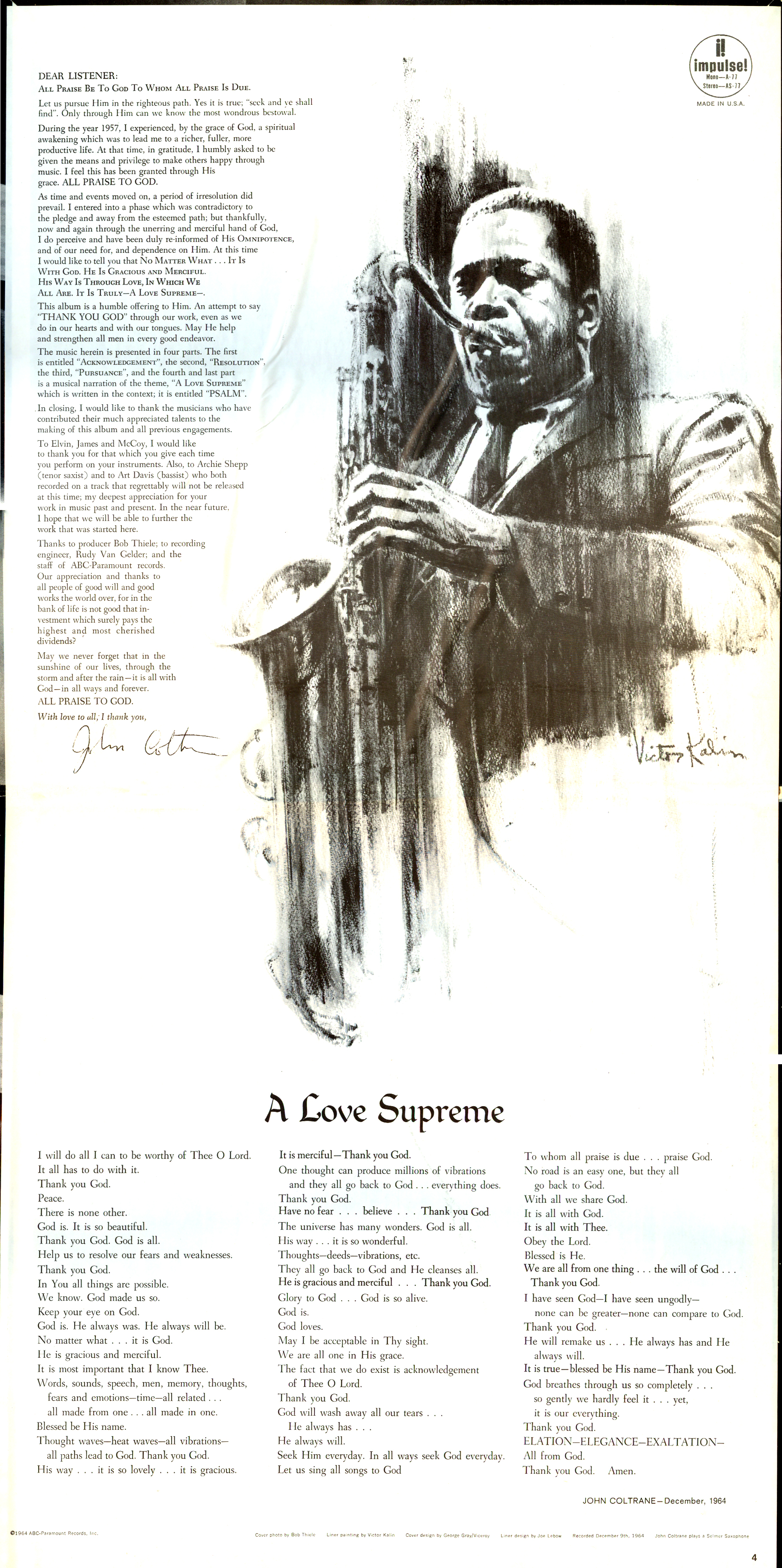
The finale of the record. It is different from the three tunes before it, since it’s more of a mood piece. It’s pure emotion. It’s not regimented improv like before. It’s closer to a lyrical poem. The words of the passage appear in the album’s liner notes. It is essentially a conversation between Coltrane and God, giving thanks for his life and his gift. His praise for salvation, laid bare in his most effective form of expression.
Accompanying Coltrane on the tune, mallets in hand on the timpani, is Jones. The timpani gives this piece the emotional weight it requires and makes the whole thing feel more orchestral and cinematic. Beneath that, Garrison and Tyner provide fills and layers where they can. But really this track belongs solely to Coltrane and his speech through the saxophone. You can listen along and read the words as Coltrane recites them through the horn, and it’s really not that difficult to follow. He does a fantastic job with that. As Coltrane works through the psalm he starts to sound strained, likely because this was the last tune recorded that night. It’s a voice at the end of its night.
Coltrane finishes with a short reference back to “Acknowledgement,” there’s a roll on the timpani and cymbal, and A Love Supreme finishes.
Closing
Carlos Santana plays A Love Supreme every time he enters a hotel room. He does this to cleanse the room of harmful spirits. I do believe this record has that power. I feel something every time I play it. The feeling is a calm acceptance of the beauty and hugeness of my existence in this universe. I’m not a particularly religious person, but I do accept the existence of a higher power. A Love Supreme is a record some people will use to find their connection to, or their acceptance of, that higher power.