Studio Album and Soundtrack | Released August 6th 1965 | Recorded between February 15 to June 17 1965 at EMI Studios, London | Parlophone Records | Produced by George Martin
For me, this is the moment the Beatles started getting really good. Before this, the British pop invasion superstars had it freaking made. Their albums and movies had already had a dramatic impact on the music world. A Hard Day’s Night had revolutionized the way a band could be displayed in a film. Their touring schedules had been nuts. They were rocketing through space at a bombastic rate. By 1965, the key relationship between Lennon and McCartney was nearly a decade old. They had gone past any realm of whatever success they’d imagined for themselves. That success was only possible thanks to biblical levels of hard work, uncanny songwriting ability, and cheeky Britishness. But what do I know about that?
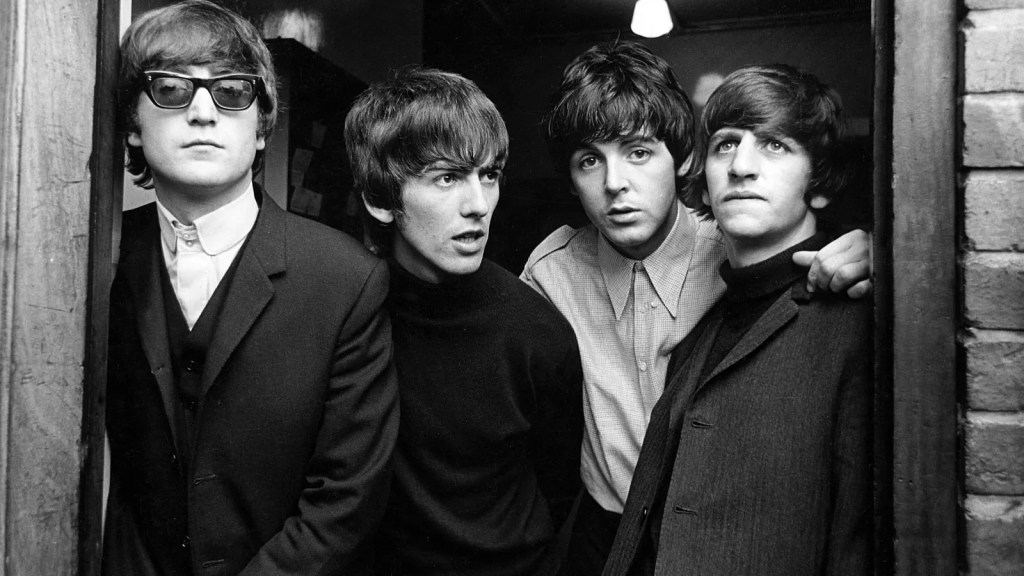
Everyone in this world needs a little help sometimes. Beatlemania had these blokes worn out, I’d have to reckon. They started writing songs about how they actually felt, not about what they were trying to express to the birds in their lives. This album was them branching into full musical maturity. The film Help! had its premiere on July 29. Amidst working on the album that year came huge tours of Europe and the US, including the iconic Shea Stadium concert. The change in their music came out of that huge shift in popularity, and a strain against the light-heartedness of their previous film with Richard Lester, A Hard Day’s Night. Super cheeky, they’d say. As a formula, Help! is about the same as A Hard Day’s Night. But now we have each Beatle singing their own songs, by themselves. How different.
After A Hard Day’s Night, George Harrison said:
“We’re still basically the same, but now we can afford things.”
The most glaring example of the nucleus of the Beatles breaking was the title track. Lennon is screaming for help because the guy needed help. Most people hear this song as just another one of their popular singles, but it’s a serious expression of emotion, unlike anything the Beatles had done up to that point. The turn in the music of the era, meaning Bob Dylan’s work at the time, had a serious effect too. Lennon saw what Bob was doing, writing rock and folk with real emotion, and it led him to write songs about growing up, love, and relationships. Put all of this together, and Help! begins the second era of the Beatles, where the focus was on songwriting, incredible incredible songwriting. That’s what makes Help! fantastic, and a true statement of the mid 60s rock scene.
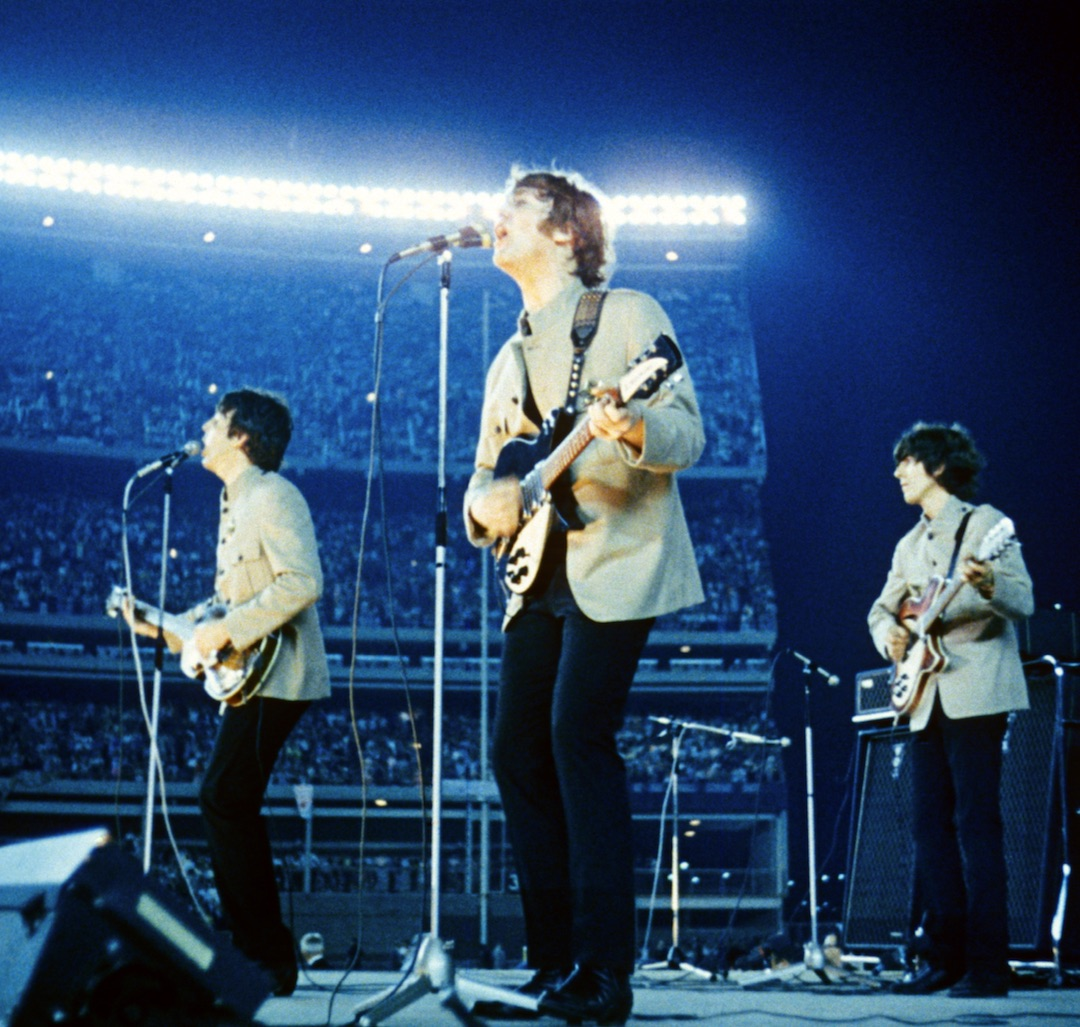
The Beatles touring amid all this is just ridiculous to consider. They were playing massive concerts, touring the United States for the first time, and doing it in stadiums, something that just wasn’t done before. The rocket was blasting into the stratosphere, and the culmination of this moment in time was an insane concert at Shea Stadium in New York City. Over 55,000 fans. A dizzying display of the intense power of rock and roll, and just one of the best concerts to ever happen. Watch the footage of it, listen to how good they sound even amid the screams. They couldn’t hear a thing, but they stayed together. It’s mesmerizing, and each time they look at each other it’s a serious “holy shit” moment.
The touring was taking its toll. It had gotten to be too much. They’d peaked. They had to tone it back, and they would. Every new record after this one would benefit from touring taking a back burner. Rubber Soul came after Help!, and that would be their first serious studio experiment. They’d go from playing music they intended to perform live to playing music that was purely about expression.
The Film
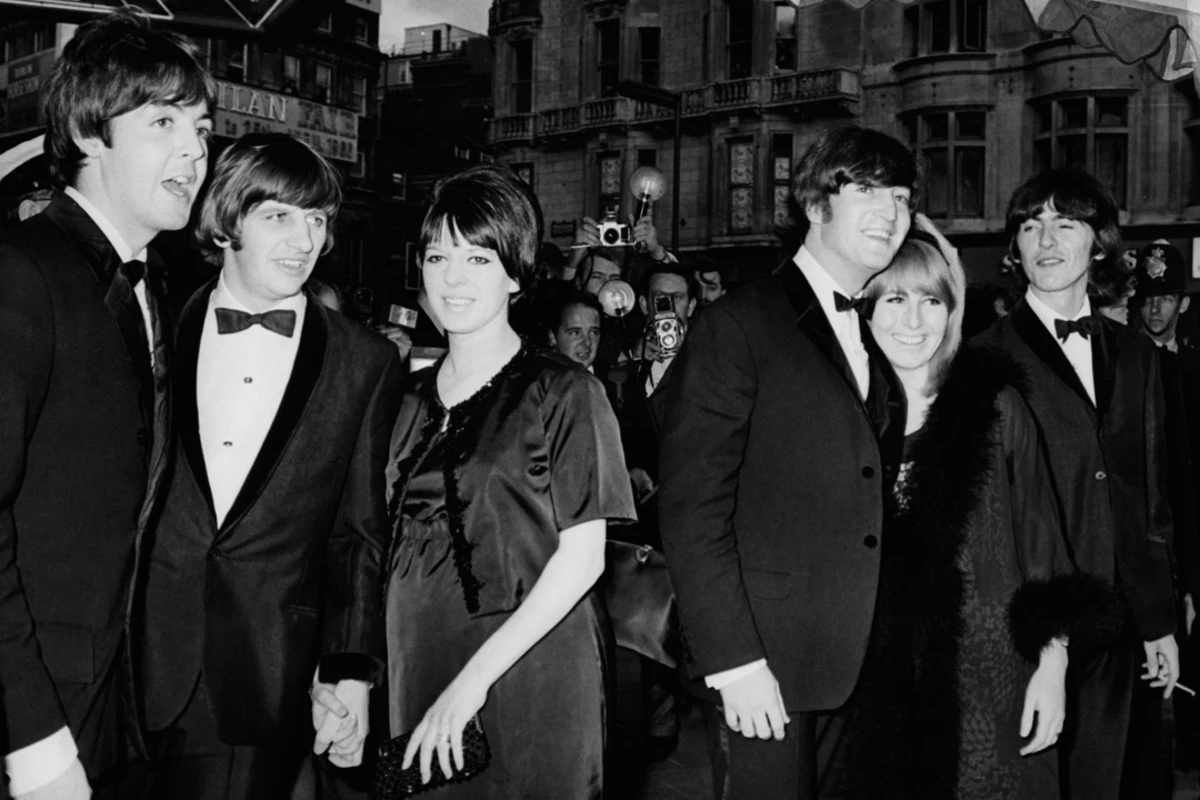
Help! was the Beatles’ second full-length film. This time the budget was bigger and the plot was… different? It’s in color, and the locations are all over the world. The plot centers on Ringo, and it’s strangely lavish, so much so that the band members said they felt like guest stars in their own movie. It was a product of their fame, and of their misgivings about the fact that EVERYONE wanted a piece of the Beatles at this point. Everyone was scrambling to capitalize. Bubble gum royalties. They were living like politicians. They needed HELP. They didn’t need the film, they needed the help, you see.
The final product just isn’t as good as A Hard Day’s Night. It was the second go-around at making a movie, the excitement wasn’t there, and all the outside forces, the money, the executives, the endless touring, made things different. Also, the Beatles were stoned most of the time. It all just made things different and weird.
The Object
My copy is a solid Parlophone reissue. It keeps the original track listing, seven songs from the film on side one and seven original studio recordings on side two. I think this copy was picked up by my wife at Independent Records in Colorado Springs, Colorado. If that’s a store you’re familiar with, good for you, because you know good record stores. For my two stints living in Colorado, both times stationed at Fort Carson, Independent Records was my go-to. I haven’t kept up with the place, but I hope it’s still there.
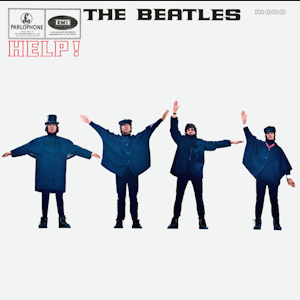
The album art is an image from the film, all four Beatles standing in a row, facing the camera against a white background. They’ve got their arms out in what looks like flag semaphore. The story goes they were supposed to be spelling out HELP, but the photographer, Robert Freeman, thought the actual semaphore for those letters looked lousy, so he arranged them for the best-looking shot instead. Which means the poses don’t spell anything. On the UK sleeve, the arms come out to something like NUJV.
The Music
The Help! record, in its original Parlophone form, contains 14 tracks: seven featured in the film, and seven other studio tracks from 1965.
Help!
An opening blast. A real statement. With that one word, you understand: this is a new Beatles, a new sound. Written by John Lennon about his inner thoughts and struggles with Beatlemania and the skyrocketing fame of being in such a group. Being a prisoner to your fame. Being unable to just walk around and get a coffee somewhere. It’s a legitimate concern. John struggled the most with all the success the Beatles gained.
Lennon would say he always loved this song, and that he meant every word of it. It came out of a desperate period, the “fat Elvis” period. For what it was at the time, and for Lennon, it’s a stunning admission that needing help from others is a perfectly okay thing to make clear to a LOT of people. If you’ve been there, you know what it’s like. This song seems to connect with people in that way. It does for me.
The music is effective, and people responded so well that it topped the charts in both the USA and the UK. For all the shortcomings of the film, this song stands on its own. The record surpasses the film in quality, and for myself, I recognized this record’s greatness well before I ever got acquainted with the movie.
The Night Before
McCartney’s great follow-up to the Lennon intro song. Paul’s on lead here, and it’s a tight, punchy little rocker with a great back and forth between the vocal and the guitar, plus some electric piano filling it out. Not a headliner, but a strong one, and proof of how deep the bench was on this record.
You’ve Got to Hide Your Love Away
Lennon’s beautiful ode to Bob Dylan. An acoustic-led track, simple, but it fills the space musically. It also features a really good flute part at the end. This sound was a sign of things to come, foreshadowing Rubber Soul and the experimental, emotional side the Beatles would explore soon after. It’s one of their most stripped-down, acoustic recordings to that point.
When you’ve listened to a lot of Dylan, like I have, you can just make out Lennon imitating the bard. The phrasing, the “head in hand” resignation, all of it. He’s wearing the influence right on his sleeve, and it works.
I Need You
This is a George Harrison song, one of two he landed on the record, which was a real step up in his presence in the group. The guitar is simple as hell, and gives no hint that it’s a small revolution in style. But it is. Those chords are so uncanny, and there really wasn’t anything like this sound happening at the time. It’s jangly, and the Byrds would later build on that, but the real innovation here is the guitar volume pedal, the band’s first use of one, giving each chord that swelling, breathing quality as it fades in. It’s a perfect example of how the Beatles could be incredible and simple at the same time. The lyrics don’t get preachy or weird. They’re basic, and the chords are simple too.
Another Girl
A McCartney tune, and he handles the lead guitar himself on this one. It’s bright and a little cocky, a guy more or less bragging that he’s moved on and found somebody new. It doesn’t reach for much, but it’s got a swing to it and moves right along. Filler, sure, but the kind of filler most bands would kill to have.
You’re Going to Lose That Girl
Lennon and McCartney really do great work on their vocals here. The song comes off essentially as a filler track, but it’s still extremely solid. It’s pretty simple, but the real joy is hearing Lennon’s hard-edged lead against Paul and George’s answering lines. Ringo does killer work on the drums and bongos on this one too.
Ticket to Ride
Another of the Beatles’ instantly recognizable hits. For some it’s the first guitar lick they ever learn, for some it’s a nostalgia trip. For others, the “ticket to ride” double meaning becomes clear the more you learn about what the Beatles were up to in the early 60s. For some it’s just about the tambourine. Lennon called it “heavy,” and he wasn’t wrong. That droning, dragging rhythm was a real step toward something new, and it closes side one on a heavier note than anything around it.
Act Naturally
Ringo’s moment on the record. He takes the vocal and the drums on this Buck Owens country and western hit from 1963. It would be the last cover the Beatles cooperated on until 1970 and “Maggie Mae.”
It’s a perfect song for Ringo. In the films and in his public persona, the song was pretty much him. I suspect he was playing it that way, and that Ringo is just about anything but an act-naturally kind of guy. But that’s my opinion. The song’s whole idea is that he just needs to be himself and he’ll be famous. That seemed to work out for Ringo.
It’s a solid vocal performance, and it fits right in as the first song of side two.
It’s Only Love
A John Lennon creation. A bit cheesy for a Lennon song, but by this point in the record I’m just floored by how strong the songwriting is. The jangly guitar kicks in something simple and fresh, like a relaxing day in the park. The lyrics enter on Lennon’s double-tracked vocal, and they descend and land like pure 60s British pop. It’s a style that knows itself. Lennon and the boys were at the peak of their game on this album, even when they were being twee and cheeky.
The guitar sound came out of studio experimentation, run through a tremolo effect to get that wobbling, swimming quality. Harrison’s appetite for guitar effects was starting to show here in the mid 60s. He’d get a lot more experimental on later records.
The best thing about this song is Lennon’s vocal and the chorus. It’s only love, and that is all, but it’s so hard loving you. Even though Lennon would later call the song lousy, with abysmal lyrics, the artist still delivered on the performance. It’s a good Lennon song, overlooked next to a lot of what he’d go on to write. Even the songs the Beatles themselves didn’t like are still great, and I like that about them.
You Like Me Too Much
Harrison’s second songwriting credit on the record, which is worth pausing on. Two Harrison originals on one album was a real jump in his standing in the group. It opens with a fun, clunky piano intro before settling into a pleasant, mid-tempo shuffle. It’s minor Harrison, sure, but you can hear him carving out his own room in a band that already had two of the greatest songwriters alive.
Tell Me What You See
A McCartney-led track that tends to get lost in the shuffle, and I get why, but there’s a nice gentle groove to it. Electric piano, a guiro scraping along underneath, some tambourine. It’s simple and a little slight, but pleasant, the kind of album cut you stop noticing until one day it’s your favorite thing on the side.
I’ve Just Seen a Face
Even though McCartney wrote this in the 60s, it somehow sounds like it could have come out in the 2010s. Or now. It’s a timeless vibe. Another really simple chord structure, descending, but it moves quick and the lyrics leave little room to breathe. The story of the song is basically love at first sight. The execs loved it so much they used it as the opening track of the American version of Rubber Soul a few months later. This song and “Yesterday,” the one that follows it, really elevate this record into the stratosphere. It came out of McCartney’s pressure on himself to create quality material and keep up with Lennon’s output.
It became one of McCartney’s favorite Beatles songs, and he’d play it live with Wings on their 1975 to 1976 world tour. On the American Rubber Soul it slots right into that album’s folk rock vibe, opening the whole thing. In the UK, Rubber Soul opened with “Drive My Car” instead, and this track stayed home on Help!. The folky, country feel here is something McCartney would chase for the rest of his career, and for some listeners this song is his true breakthrough into that realm.
Yesterday
What a song for the time. Social upheaval was on the come-up, and yesterday sure seemed better than tomorrow, that’s for damn sure. The famous story is that the melody came to McCartney fully formed in his sleep one morning, and he was so convinced he’d accidentally stolen it that he spent weeks playing it for people, asking if they recognized it. He hadn’t stolen it. The placeholder lyric was “Scrambled Eggs” until the real words came. That makes it a song he carried around for a while before finally recording it here for Help!, and it makes a lot of sense on this record. It’s a beautiful McCartney song, definitely among his best, and it plays like a response to the desperation behind Lennon’s writing on the title track.
It’s sad. It’s desperation, longing for another time and another person. Probably McCartney’s greatest two minutes with the Beatles, and it’s just him, an Epiphone Texan steel-string acoustic, and some strings. Those strings were the Beatles’ first use of a classical string quartet, arranged by George Martin under McCartney’s supervision.
It’s great. It’s a song that shows how good McCartney was at melody. Each line is like its own little song. It’s one of those flawless things that seems to appear out of thin air, and according to McCartney it more or less did. He felt it was so good it had to have come from somewhere else, but it came from him.
The song was issued as a single and stayed at number one in the USA for a month. It’s got a pretty strong claim to fame: Guinness World Records calls it the most covered and recorded song in the history of popular music. On this album, it’s just another great song in a group of great songs.
Dizzy Miss Lizzy
This one is a Larry Williams cover, and it’s hopelessly tacked onto the end of the record. It would make far more sense to close with “Yesterday,” but the label felt the record needed more material and a longer runtime. The group was tired from filming the movie when they recorded it, and it feels rushed and tiredly excited, like they were putting just about enough energy into the cover and no more. It rocks, and it ends the album with a lot of energy regardless. Lennon delivers a great rendition of a song by one of his favorite artists.
Closing
Help! was a turning point for the Beatles. They figured out that movies maybe weren’t their bag, baby. They had acting chops, sure, but any acting talent is so easily surpassed by their musical talent. The record produced three number one singles, and the album itself went platinum. After it was released, the band went on another US tour, and that tour opened with the Shea Stadium performance on August 15, 1965, which would become one of the most famous films of a rock band playing live anywhere, ever. As if that wasn’t enough, they kept the studio momentum going straight into recording a truly innovative, game-changing record, Rubber Soul. Possibly my favorite Beatles record. Rubber Soul would never happen without Help!, and that makes Help! one of the most important albums in the Beatles catalogue.
Listen to it with fresh ears, and hear the moment they became the band that would go on to change everything.