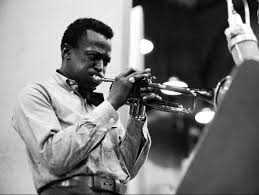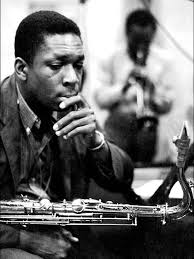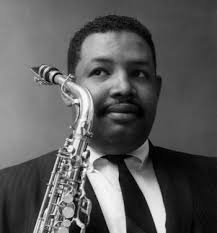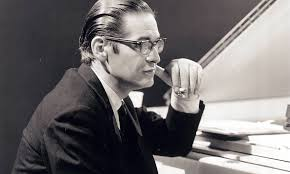
Tag: jazz

  • John Coltrane – A Love Supreme

    John Coltrane – A Love Supreme

    Studio Album | Released January 1965 | Recorded December 9th 1964 at Van Gelder Studio | Impulse! Records | Producer Bob Thiele
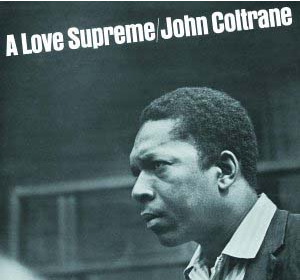
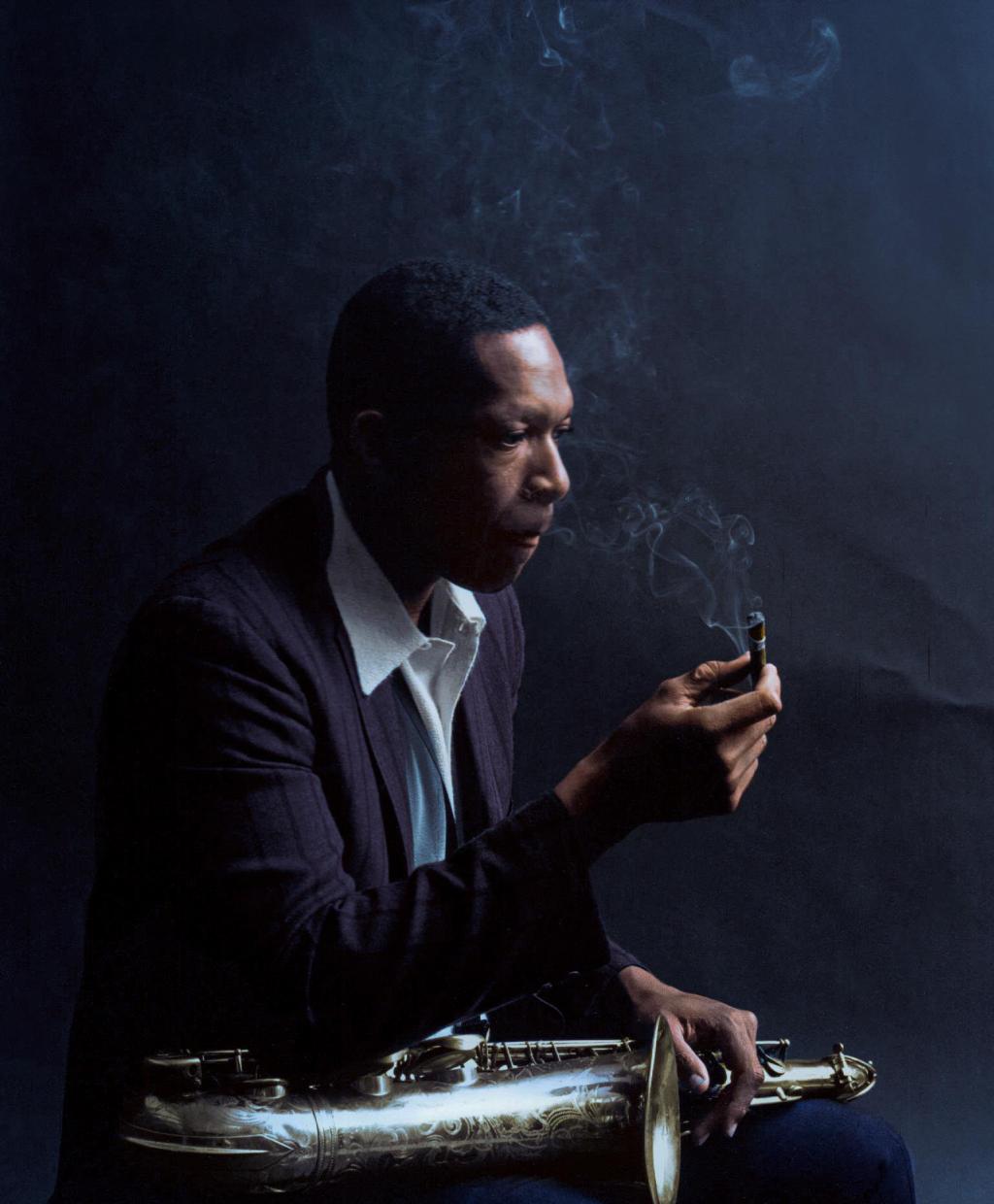
    The John Coltrane sound: heavenly, spiritual, otherworldly. A Love Supreme is for many the peak Coltrane album. For others it is at least the most famous one, the record that hit the jazz world the hardest and left the deepest mark.

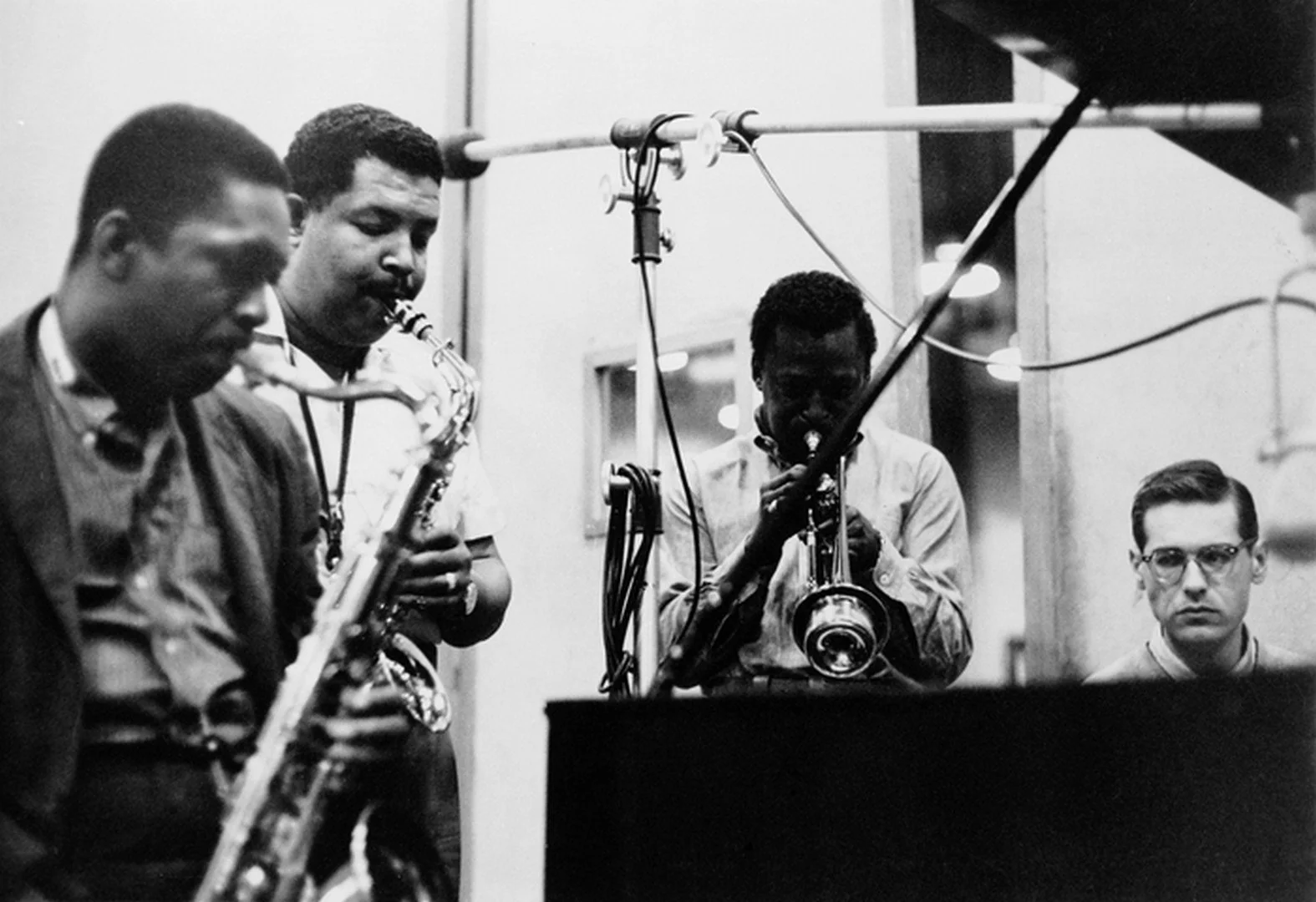
    Music as expression of soul and spirit. That is what John Coltrane eventually dedicated his life to. By the time he began working on A Love Supreme, prior to 1965, he was already deeply accomplished as a musician and a horn player, having appeared in probably the best jazz band ever put together alongside Miles Davis.
    1964

    The album was conceived and recorded in 1964. In many ways the cultural movements of the decade were still at the cuff. The wave had not yet formed. Music was definitely pushing toward societal reflection and change, with records like Bob Dylan’s The Times They Are A-Changin’ and Sam Cooke’s “A Change Is Gonna Come.” The civil rights movement is key context as well. By 1964 the movement had developed into a massive outpouring of protest. Lyndon Johnson had taken over as president after the assassination of John Kennedy. The war in Vietnam was not yet on most folks’ minds, but it was looming.

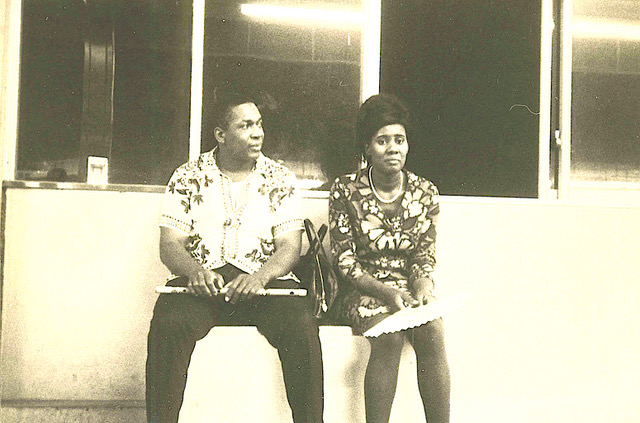
    In jazz, John Coltrane loomed over others as an emerging figure of the free jazz movement. He had broken out as a solo artist after his stints working under Miles Davis. 1964 was a year of hard work, but it also gave him room to rest, enjoy his newborn son, his first, and spend time with Alice in their new house on Long Island, New York. It was at this house that John secluded himself and began to develop the concept of A Love Supreme.
    Coltrane’s path to A Love Supreme ran through his years with Miles Davis, and a lot of the inspiration for free improvisation most likely took root while working on Kind of Blue. It was a time of listening, learning, and growing. And between the two recording sessions of Kind of Blue, Coltrane made Giant Steps. A seriously innovative record on its own, but what it also was for Coltrane was an exhibition in composition and music writing. It was proof that he was on the path to getting things going for himself and growing as a creative.

    Then there was the soprano saxophone, a new instrument picked up mid-career. An interesting move. There’s a lightness to the soprano, he would say. You can play lighter things on it. It’s a relief to shift to it. The soprano gave him “My Favorite Things” and a hit, and it widened the range of what his voice on a horn could be. That widening matters on A Love Supreme, even on a record where the soprano never appears.

    Something else Coltrane had to traverse to get to the point of making A Love Supreme was severe heroin addiction. In the 50s, using was not universal among jazz artists, but it was readily done and many artists had easy access to it. John was caught up in the attraction of drugs as a path to higher planes and higher abilities on his instrument. It did everything but that. Coltrane quit heroin cold turkey, and through sheer willpower and faith made it through a darkness few people have any idea of the difficulty of. That moment, the spiritual awakening of 1957, is the very experience he references in the liner notes of this album. A Love Supreme is, in a real sense, the thank you note for surviving it.

    December

    Coltrane’s record label had set aside about half of the second week of December. Tyner and Jones remember Coltrane calling them up and arranging a session for December 9th.

    Recording an album usually takes time. Days, weeks, sometimes months. Depends on the artist, I would say. But something is vastly different about A Love Supreme: it was recorded in one night, in one session.

    The Quartet

    The quartet on this record is a product of experimentation, but the end result is a band that allowed Coltrane full inventiveness and full confidence in working together. The record could not have been made without their collective skill, ability, and knowledge of music.

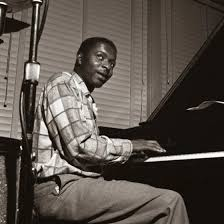
    Pianist: McCoy Tyner
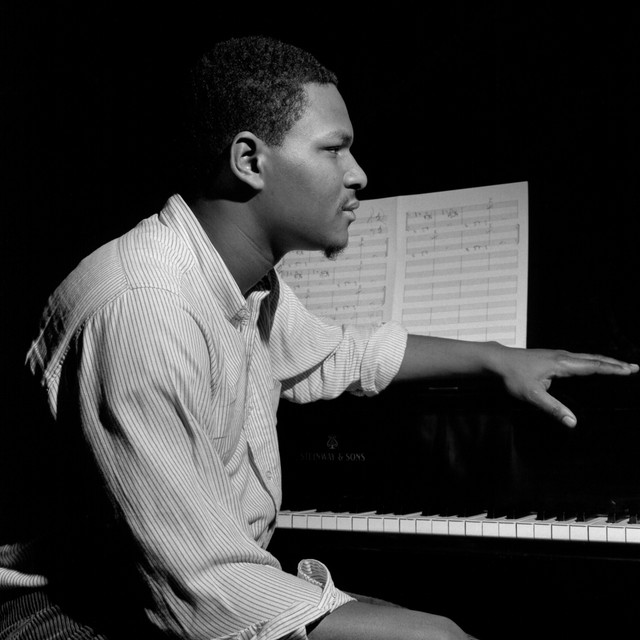
    Tyner joined up with Coltrane around 1960, a confident young pianist who had what Coltrane wanted: a clean and astute harmonicist. Even though Tyner was 12 years younger than Coltrane, the two seemed to share the same musical focus and a spiritual leaning. They worked well together.

    Tyner relates the relationship to a brotherly one in Chasing Trane, the John Coltrane documentary. They were like brothers, and they were together for one reason: to create beautiful music. Full commitment. Full humility. No ego.

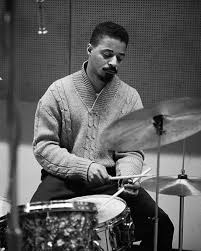
    Drums, Gong, and Timpani: Elvin Jones
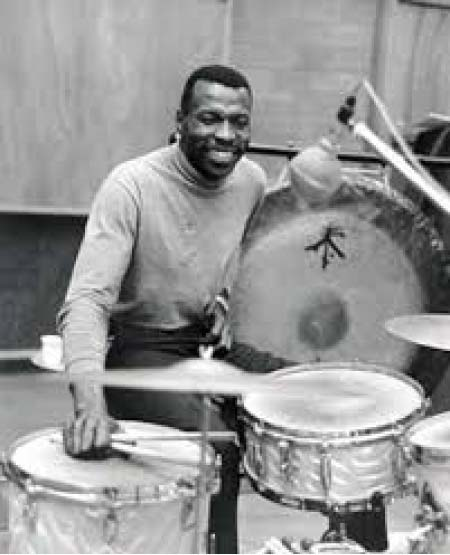
    A master of the polyrhythmic style. Not the most in-demand drummer at the time, apparently. He would take liberties on the drum kit, drawing unwanted attention from bandleaders who wanted something tamer. But Jones was an amazing drummer, a master of his instrument, one who looked at the drums as intently as Coltrane looked at his horn. A naturally gifted player and a perfect addition to this quartet.

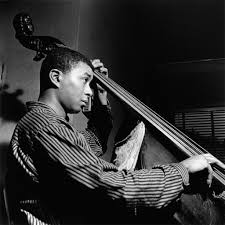
    Bassist: Jimmy Garrison
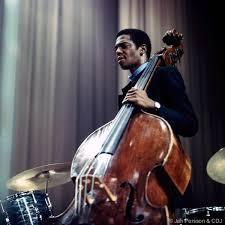
    Garrison had come up under another sax impresario and innovator, Ornette Coleman. Coltrane had been seeking a bassist who could match the strength required to work alongside a drummer as challenging and effective as Elvin Jones. Garrison joined the quartet in 1962 as the final piece of the band.

    The group gave Coltrane the feeling and the force he wanted. He wanted extremely capable musicians who could perform and sound like a unit without needing to force it. He wanted the feeling to be there rather than the hard edges of each musician playing on his own. Gathering this group was vital. From the point in 1962 when it solidified, the quartet became known for its work ethic, and its popularity shot up. It was Coltrane’s hot group, destined for something great.

    With this group, John Coltrane became the immense jazz figure that would seal his legacy. It tracked right into the making of A Love Supreme.

    The quartet formed, and the records came through. They recorded Crescent earlier in 1964, and man, what an album. Moodier, more contemplative, the band settling into longer forms and deeper waters. You can listen to it as a subtext, a prologue to A Love Supreme. Crescent is the record if you want to hear the quartet gathering itself for the leap.

    Producer: Bob Thiele
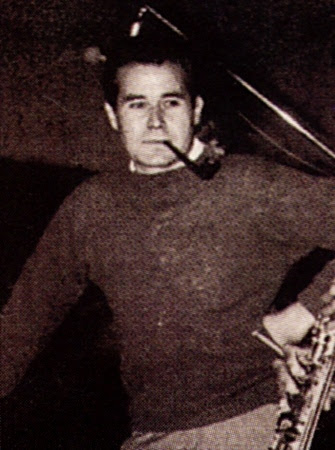
    On Bob, John said his duties were basically to keep the lights on and keep the tape running. A real backseat appearance for a producer. With all that expertise in the room, production gets pushed to the side. These were experts. Especially John.

    Significance

    The record landed in people’s homes like a gift from God. It was early 1965, right in the middle of the 60s. People were pursuing new religions and seeking truth through other means, music being one of them. People were seeking different lifestyles and accepting a universal consciousness. A Love Supreme was a perfect representation of that effort.

    A Love Supreme is dug deep into our cultural awareness, and that is something I’ve taken for granted myself. Even the phrase, the album title itself, inspired similar phrases down the line. A “blank” supreme. Anytime you hear that construction, it’s owed to Coltrane. It was one of the first records to be unapologetically devoted to a higher power.

    Many place the record, and sometimes Coltrane himself, into a religious context. For many listeners the music represents a voice from a supreme being, whether that voice is Coltrane himself or Coltrane channeling something through music. What you hear is someone playing an instrument beyond any extension of himself. It is himself. Full artistry, full mastery of craft, full immersion, and full transcendence.

    The Object

    My copy is not an original, not significant by any means. However, it is the music on vinyl, and for me that is significant enough. I’ll say that for a lot of records. It’s a 2023 US Impulse! reissue bought from my go-to record store right now, Recycled Records in Monterey, CA.

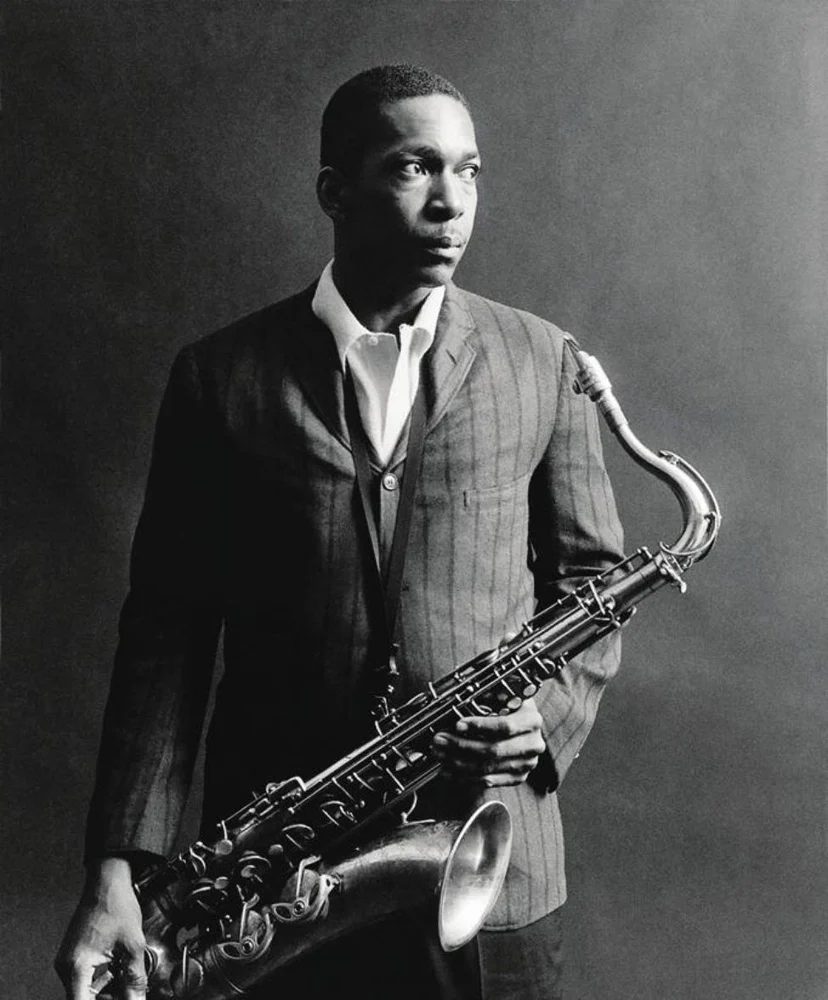
    A beautiful album cover. Instantly recognizable. Pure Coltrane. His gaze is not toward the camera but forward, toward a path to making better music. The photo was likely taken by producer Bob Thiele around the time of the recording. I really like the title font and how the title of the record comes first, then its maker. The tilt of the typeface seems to follow the same tilt as John’s eyes in the image. There’s not much simpler artwork than this, and it’s incredibly effective.

    The Music

    The album plays like improvisation mixed with composition. It blends genres together, and you can hear gospel, free jazz, bebop, and blues throughout. It eventually became known as spiritual jazz, a term that had never been used before. But many just see it as music, period.

    The John Coltrane sound: no vibrato, the shrieks, the rapid-fire runs. Vocal-like. It’s a tone. It’s purely him. It’s from deep within. It’s a howling soul and a wailing preacher together. On A Love Supreme he used the tenor saxophone for the entire recording, noting that it had the depth the music required. The tenor is close in tone to the human voice, and if these sessions were meant to come across as sermons, you can see why leaving the soprano behind made sense. The tenor is a voice here.

    Before even stepping into the studio, John had visualized the music as a connected suite: two pieces on side one and two pieces on side two. This is how the final product appears, and this is how the record was recorded.
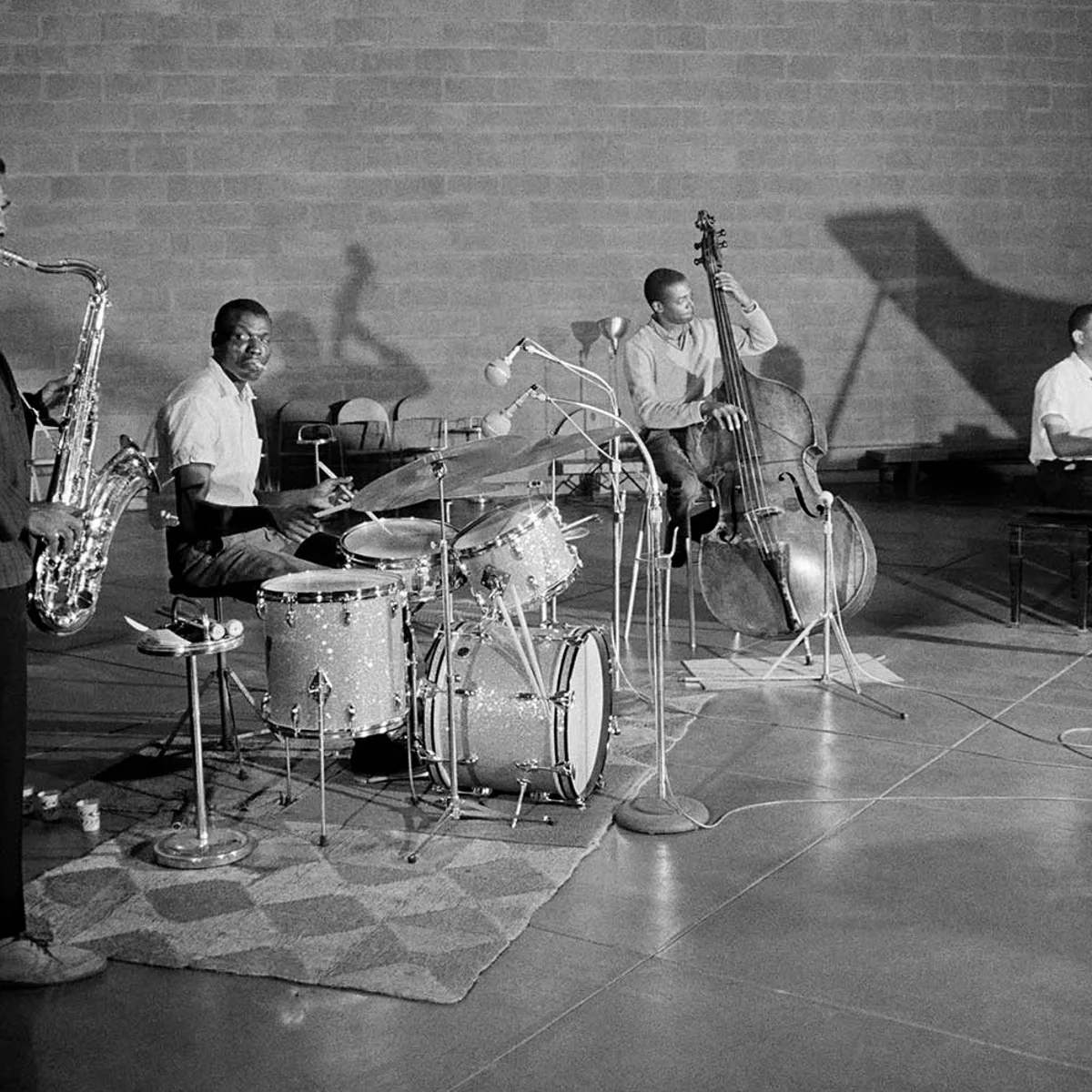
    Acknowledgement

    The first gong hit and the opening lines from the sax are immediately transporting. You know you’re in for something different and special.

    Coltrane’s opening is transporting but familiar at the same time. To me it’s reveille, the wake-up call. It’s curtains opening. It’s a door opening. The signal to begin something. The signal for prayer to begin. The imam calling. Elvin Jones dances on the cymbals as that welcome ends. Then Garrison enters with that four-note motif. It is the album’s title in a four-note sequence.

    A love su-preme.

    Then Tyner takes a few chords as the rhythm develops. Coltrane’s horn returns. In full force. With a melody that just kills. Intensity is reached, and Tyner and Jones match it. Jones and Coltrane are really reaching heights here on “Acknowledgement,” interplaying so well. There’s a consistency from Jones that allows Coltrane’s flourishes and movements across the musical atmosphere. The cymbal is an interesting instrument to focus on here.

    Coltrane reaches peak intensity and then backs down, like a hiker on the downslope. Longer pauses open up between lines, and then the recurring theme enters the room. He plays the four-note motif 37 times in a row, in different keys.

    It’s an exercise in roaming key modulation. A masterful display. Some interpret it to mean that God exists everywhere, in every key. Some take it as a display of pure talent and ability.

    Then the tenor is put down and Coltrane takes the mic, one of the rarest moments on any of his records. He chants the mantra 15 times, drops to a lower key, and says it four more times. The song ends as the quartet slowly drops out, but Garrison remains. The bassist is the final musician you hear on this piece and the first you hear on the next.

    Resolution

    The seventh take. Garrison gives an introduction to the track on bass. A simple rhythm and theme, and it does little to warn you about the onslaught of Coltrane’s sax when it comes. It comes in blasting with the most out-there melody you’ve ever heard. Even today this melody makes me feel something I can’t pin down. It’s that dramatic and affecting. What ensues after the initial shock is a relatively traditional 4/4 jazz workout with Coltrane soloing.

    Then Tyner takes a solo. This solo is a highlight of the record. It’s insanely good and really hard to describe. Tyner’s left hand is fluid while his right hand stays fixed, playing mostly chords to follow and give structure to what the left hand is doing. I can’t begin to understand how difficult that is to do. But here, you can hear it done. It’s mind-boggling.

    Coltrane flows back in with his own solo, carrying a subtle respect for what Tyner just accomplished. His second foray as soloist on this track lasts through the remainder of the recording. He flourishes along, some of his lines blues-tinged. Then he strains on some wicked high notes, pushing the limits, and returns finally to the original melody. Garrison and Coltrane finish up while allowing the melody and the track to settle out and resolve, if you will.

    Pursuance

    This track begins with Jones taking a solo of about 90 seconds. His adaptable talent is on full display. Jones reported that Coltrane gave him no direction for this solo, so what you hear is supposedly unplanned. It is a showcase of his polyrhythmic ability. What it really sounds like is Jones using all of the drum kit at once. He playfully executes this extremely fun solo and slowly reaches a conclusion, still going at a brisk pace as Coltrane and the other two bandmates filter in.

    Coltrane’s intro rushes in with an initial blast of this new tune’s melody. Before that even gets a chance to sink in, Tyner takes another solo, his second on the album. Tyner really takes a walk around the room here, dancing around the melody of “Pursuance” at a sometimes breakneck speed. The left hand is just flying. Amazing stuff. Then Coltrane returns.

    Coltrane’s entrance into this track is the peak of the energy on the recording. It is a powerful exposition of melodic runs and strings of new ideas. It’s way out there. Underneath Coltrane is Jones, flying around the kit as well. The two together are reaching new heights simultaneously. A real partnership.

    Coltrane flourishes through the melody for a couple more measures, leaving Jones to find the track’s ending. In reality it’s a false ending. Jones gives some whaps to the snare and cymbals while Garrison begins an improvisation that runs for the next three minutes. His solo here is a truly unique point on the album. He does some great call-and-response work all by himself, moving from chord sequences to several-note combinations and answering them with chords. He travels up and down the strings with ease, and this closes out probably the most intense track on the record.

    Psalm
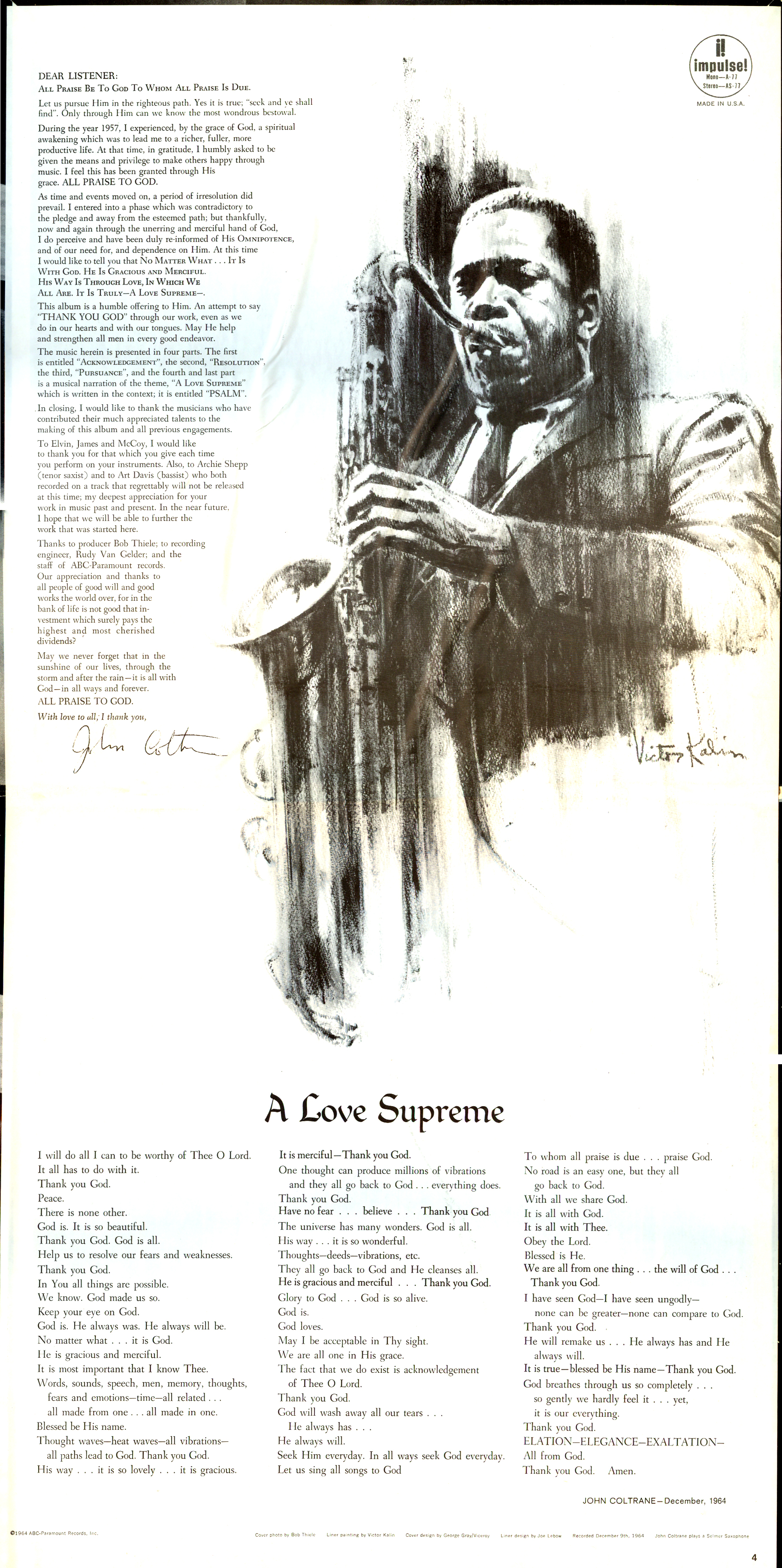
    The finale of the record. It is different from the three tunes before it, since it’s more of a mood piece. It’s pure emotion. It’s not regimented improv like before. It’s closer to a lyrical poem. The words of the passage appear in the album’s liner notes. It is essentially a conversation between Coltrane and God, giving thanks for his life and his gift. His praise for salvation, laid bare in his most effective form of expression.

    Accompanying Coltrane on the tune, mallets in hand on the timpani, is Jones. The timpani gives this piece the emotional weight it requires and makes the whole thing feel more orchestral and cinematic. Beneath that, Garrison and Tyner provide fills and layers where they can. But really this track belongs solely to Coltrane and his speech through the saxophone. You can listen along and read the words as Coltrane recites them through the horn, and it’s really not that difficult to follow. He does a fantastic job with that. As Coltrane works through the psalm he starts to sound strained, likely because this was the last tune recorded that night. It’s a voice at the end of its night.

    Coltrane finishes with a short reference back to “Acknowledgement,” there’s a roll on the timpani and cymbal, and A Love Supreme finishes.

    Closing

    Carlos Santana plays A Love Supreme every time he enters a hotel room. He does this to cleanse the room of harmful spirits. I do believe this record has that power. I feel something every time I play it. The feeling is a calm acceptance of the beauty and hugeness of my existence in this universe. I’m not a particularly religious person, but I do accept the existence of a higher power. A Love Supreme is a record some people will use to find their connection to, or their acceptance of, that higher power.
  • Charles Mingus – The Black Saint and The Sinner Lady

    Charles Mingus – The Black Saint and The Sinner Lady

    Studio Album | Released July 1963 | Impulse! | Produced by Bob Thiele

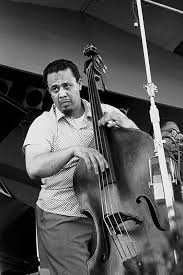
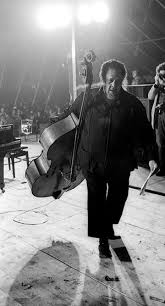
    Charles Mingus defied conception. His personality, his words, his volatility all condensed into a maelstrom of creative energy and flow. His work is distinguished by composition. The man was a sponge for all forms of music, and he used his compositional abilities, the written format in musical terms, to create some amazingly unique pieces and records. The Black Saint and the Sinner Lady stands at the mountaintop as one of the greatest achievements in jazz composition and orchestration, but Mingus would not want his work given any labels. He made music the way he imagined it, and his MO seemed to be to defy all convention. This is not the everyday jazz album. This is a work of uniqueness and something to feel.

    This isn’t a record to put on at quarter volume in the background while you fold laundry. It’s a record to turn up, absorb, let envelop your senses. It has hallucinatory qualities. It’s intricate and complex, but also simple and powerful. It’s chaotic, but it finds a way through the chaos. It generally makes sense, but also doesn’t.


    I got acquainted with Mingus while looking for music to accompany my mind during intensive, long-form intelligence analyst work at Fort Meade, Maryland during a short three-month stint. It was a very busy time for me. I was deconstructing layers of information for twelve to fourteen hours a day. It was a heady period personally as well. I was in a stasis of confusion about my professional future, in the forest essentially, looking over my shoulder and trying to find my way. I was staring down a rough road. Within that time there was a lot of revelation about what the term success meant. What draws people to want to be the best at what they do. What draws people to want to be renowned, or recognized.

    As I learned more about Mingus and his life, I began to connect those feelings to my understanding of how he may have felt about his own place in the world and in the music business. It seems like he self-pariahd, or he just always felt like the underdog. He made work that people had a hard time understanding or accepting. It was just too brilliant for the status quo.

    In all honesty, I see jazz brilliance as a passive observer. I’m in the audience watching a performance, marveling at the technicality, but without a firm grasp on theory or the decision-making behind composition. With that said, I do believe that determining whether a jazz record or any piece of music is brilliant comes down to whether the listener derives something from the listening session. The art itself is true. It may contain a meaning somewhere in it, but pure art, as cliché as it sounds, is just art. It doesn’t have to be anything else. If you like it, if it moves you, that’s enough.

    Mingus once stated, “What do I care what the world sees, I’m only trying to find out how I should feel about myself.” The argument stands. For some that applies to Mingus. For others, it may not. Some music can only be felt, and attaching words to it, as I’m doing with this post, is either ill-advised, too challenging, or just plain meaningless.

    What this record is, as I’ve come to understand it, is a direct contradiction to anything normal at the time. I think it was so unique, so different from conventional jazz, even within Mingus’s own catalogue, that it went too far over some people’s heads. But it wasn’t avant-garde for the sake of it. It wasn’t complex on purpose. If you sit down without any jazz acumen, you will derive some feeling or emotion from it. That’s what all the great records in any genre can do. The ones that still get talked about, that still matter. This is one of those records. It was a milestone in 1963.

    The record deals with texture from the very first notes. It’s a sound collage, a stack of cards. The sonic scale is massive. The onslaught of some of the pieces is unmatched, yet even at peak volume, every instrument sounds crisp and purposeful. Approach it from any angle and your attention will be rewarded. You’ll be immersed in the world of Mingus. Placing it in a genre is futile. Mingus disliked labels, and the critics who used them.


    Mingus Psychology

    The central psychological framework for understanding Mingus comes from the opening of Beneath the Underdog, where he describes himself as three simultaneous people:

    “One man stands forever in the middle, unconcerned, unmoved, watching…. The second man is like a frightened animal that attacks for fear of being attacked. Then there’s an over-loving gentle person who… gets talked down to working cheap or for nothing, and when he realizes what’s been done to him he feels like killing and destroying everything around him including himself for being so stupid. But he can’t — he goes back inside himself.”

    “Which one is real?”

    “They’re all real.”

    Mingus One is passive and observant. Mingus Two is afraid. Mingus Three is the angry man. He could be the most loving person in the world to someone he cared about and at the next turn erupt like a volcano of rage and emotion. These traits were what made Mingus who he was as a person and as an artist. He had tendencies across every part of the spectrum, and so did his music.

    Scholars have read this not as pathology but as a sophisticated self-portrait, Mingus maintaining multiple real selves rather than collapsing into a unified public persona. The “middleman” who watches is the narrator; the others are competing expressions of the same consciousness. Al Young, a friend, found even more than three Minguses: “Don Juan Mingus…, Mingus as lightweight Iceberg Slim…, Mingus the son, Mingus the husband, Mingus the father, Mingus the comic sufferer on the psychiatrist’s couch.”

    His music, and especially The Black Saint and the Sinner Lady, is psychologically dense because it emerges directly from that psyche. In his view, the only person truly qualified to annotate the record was his psychologist, Dr. Edmund Pollock, who wrote the liner notes.


    Dr. Pollock’s Analysis

    One of the most unusual features of the album is that Mingus invited his analyst, Dr. Edmund Pollock (fictionalized as “Dr. Wallach” in Beneath the Underdog), to write an interpretive essay for the liner notes.

    Pollock’s reading of the album centers on a few key observations: that Mingus “seems to state that the black man is not alone but all mankind must unite in revolution against any society that restricts freedom and human rights,” and that Mingus “feels intensely… He cannot accept that he is alone, all by himself, he wants to love and be loved.” Most strikingly, Pollock concluded that “Mr. Mingus is inarticulate in words, he is gifted in musical expression which he constantly uses to articulate what he perceives, knows, feels… It must be emphasized that Mr. Mingus is not yet complete. He is still in a process of change and personal development. Hopefully the integration in society will keep pace with his.”

    Barry Ulanov corroborated this view: Mingus was “alternately eloquent and tongue-tied with words,” but held the conviction that someday he could make his ideas perfectly clear on his own instrument or someone else’s.

    Mingus voluntarily committed himself to Bellevue in the late 1950s, driven by desperate insomnia and disorientation. “I couldn’t think who I was, I wanted to lay down and sleep. I was like a child lost with people milling all around me and no one to love me.” He chose Bellevue over his private analyst partly because they were estranged, and partly to avoid appearing to seek sympathy.

    His experience there became a crystallizing image of institutional oppression in his memoir. The doctor told him within minutes: “Negroes are paranoiac, unrealistic people who believe the whole world is against them,” and immediately proposed a lobotomy. Mingus wrote to Nat Hentoff from inside: “There’s a Nazi-thinking Jew called Dr. Bonk or something down here saying all Negroes are paranoid and he knows just the treatment for them, which is frontal lobotomy.”

    He filed a formal complaint he titled “HELLVIEW OF BELLEVUE,” listing grievances including: “Dr. Bonk keeps saying I’m a failure. I did not come here to discuss my career or I would have brought a press agent.”

    His reflection on leaving says everything: “You know, I believe Bellevue did me some good. How could anybody outside bug me when I remember those closed-in helpless people? Everywhere I go I’ll take those bars with me in my mind… Those bars stand for power over others, the power to make you hold still and take it. Is that why I feel so much better out here where the real insanity is?”

    The Object

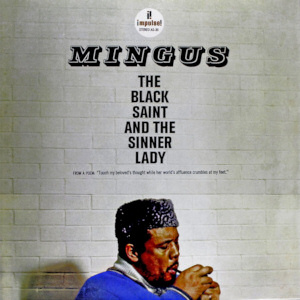
    My copy is a European import, looks to be from 2020 according to Discogs. Unfortunately I don’t have a copy that includes the original artwork or the original liner notes. Even with those qualities absent, the presentation of this record on vinyl feels authentic and important. The artwork is Mingus, though older. The track listings are displayed boldly alongside his name. It’s simplicity. It’s built on the lore of the record itself.

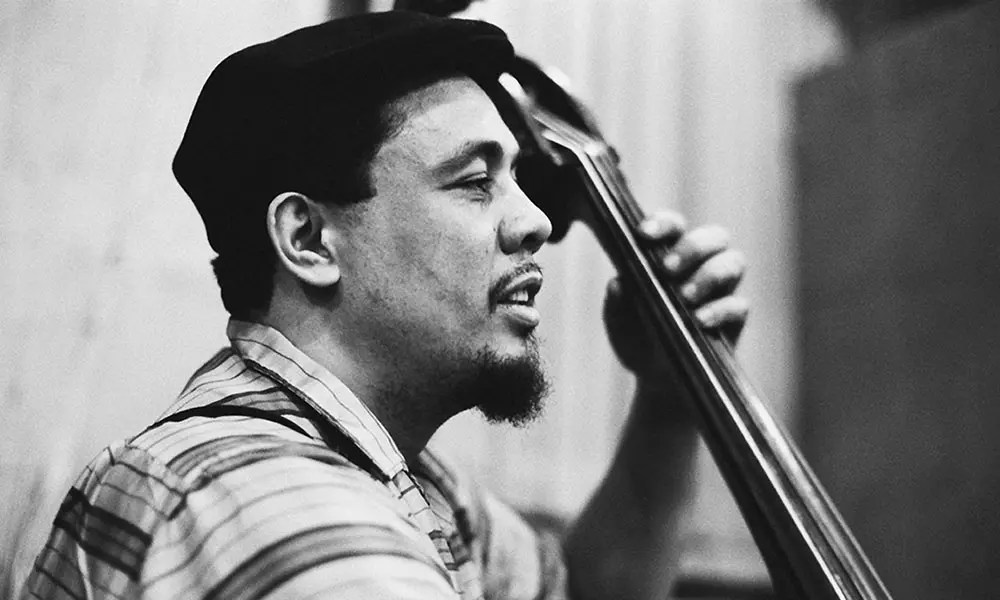
    The lore of any record will always be connected to its album artwork, and in this instance the artwork is pure: the name of the album, the name of the composer, and an uncanny image of the master behind the composition. Mingus is not giving the camera any recognition. In the original pressing he is working on lighting a pipe. In this recreation he appears older and is playing his instrument. It’s a captivating image, and that was always a draw for me. It gives the sense that the music contains secrets and stories, and the lore is right there on display. That quality has always been part of my attraction to jazz.

    The Music

    “This is the first time the company I have recorded with set out to help me give you, my audience, a clear picture of my musical ideas without that rush feeling. Impulse went to great expense and patience to give me complete freedom, along with engineer Bob Simpson, for balance and editing.”

    Pianist Mal Waldron described working with Mingus: “If you play in his band, you play his way. Mingus is the personality. But at the same time, playing with him brings you out and forces you to play yourself.”

    Mingus on the record itself:

    “Black Saint and the Sinner Lady is true music with much and many of my meanings. It is my living epitaph from birth til the day I first heard of Bird and Diz. Now it is me again. This music is only one little wave of styles and waves of little ideas my mind has encompassed through living in a society that calls itself sane… Crazy? They’d never get out of the observation ward at Bellevue. I did. So, listen how. Play this record.”

    In some way, The Black Saint is a response to everything in Mingus’s career up to that point. He had struggled with depression and anger, had issues with the music business, and had dealt with endless disrespect rooted in racism and in who he simply was as a person. The album is a fulcrum in his career. He was around forty years old, at his creative and emotional peak. It’s a rejection of the commercialism of jazz at the time, a rejection of the posturing around it, and an exhibition of who he truly was creatively and emotionally.

    Across multiple sources the same idea surfaces repeatedly: words failed Mingus in ways music did not.

    His own statement: “My music is evidence of my soul’s will to live beyond my sperm’s grave, my metathesis or eternal soul’s new encasement.” And most directly: “I play and write me, the way I feel. And I’m changing all the time. As long as I can remember, I’ve never been satisfied with the ways in which people and things seem to be. I’ve got to go inside, especially as far inside myself as I can.”

    And to Hentoff: “We create our own slavery, but I’m going to get through and find out the kind of man I am, or die.”

    The music on this record lends itself to nighttime listening, or closed-eyes, full-immersion listening. There is a lot going on. I think I could listen to this record my entire life and each play would be a rediscovery, a revisiting of a feeling, and I would always hear something new. It’s philosophically and psychologically dense, but oddly accessible enough that it rewards a patient listener. It’s reached a lot of people that way, in the same way intricate art reaches people, art that makes someone feel something real.

    The performances were recorded in a single session on January 20th, 1963, but months of work followed to complete the required overdubs.

    Mingus was deeply influenced by Duke Ellington and his orchestral arrangements. What Mingus did with that inspiration was create a space and a musical context of psychodrama, entering deeply personal realms. That’s what makes this music so fully realized and gives it an immense sense of truth. You feel what you hear. If these trumpets and trombones are speaking, they are in some places wailing in agony, and in others singing a hymn of rejoice and a lust for freedom.


    Track A: Solo Dancer (Stop! And Listen, Sinner Jim Whitney!)

    The subtle tiss tiss drum beat and the contrabass trombone intro. Saxophones enter on top of one another. A tenor saxophone takes a solo over a swingier drum beat, and beneath all of it is Mingus on double bass, leading from within.

    The introduction is explosive and commanding, eleven pieces working as one, stacked on top of each other. The bass works on its own terms, not as a function of the rhythm section but as a leader in its own right. The bass was Mingus’s master instrument, and it was how he understood music. It was how he knew to layer instruments and compose the way he did.

    The saxes, horns, and trombone, when focused on closely, are distinguished enough to constitute a song in themselves.

    I see a cast of characters. The dancer and a surrounding ensemble. Everyone seems to be clapping, urging the dance to continue.


    Track B: Duet Solo Dancers (Heart’s Beat and Shades in Physical Embraces)

    Opens with a piano flourish, then bass and horns and drums settle in for a waltzy, languishing song. The piano is fantastic. Moody, melodic, and lush. The horns answer with a simple up-and-down motion and then a big crescendo, a walk down the stairs, and the trombones enter.

    This movement is more subdued. The horns are doing remarkable work mimicking the human voice. The muted trumpets make leering, harsh cries.

    This track shows the full intensity of Mingus. Drums like gunshots. The horn crying a slow death.


    Track C: Group Dancers (Soul Fusion: Freewoman and Oh This Freedom’s Slave Cries)

    Another track that begins with piano, though this time it feels more technical, more hurried, on a pace rather than an emotional flourish. Piano tinkles and an interplay of in/out, black/white, good/bad. The piano on this track is my favorite thing on the album so far.

    Fantasy elements are being added to the narrative. New territory. Guitar and flutes enter.

    I hear the ills of society in the horns. There is no release.


    Side 2

    Side 2 is a medley, a group of three tracks. Motifs return from the previous three, but things begin to blend together. The menage.


    Track D: Trio and Group Dancers (Stop! Look! And Sing Songs of Revolutions)

    Seems like a continuation from before, then a Latin-inflected or Spanish guitar enters. Amazing guitar. Bullfighters, or just the bull.

    The pace is picking up. There is a wild energy flowing through everything.

    Have the characters from Track A returned?


    Track E: Single Solos and Group Dance (Saint and Sinner Join in Merriment on Battlefront)

    Things are becoming looser. On the second side, ideas are stated with more purpose versus the loose interpretation of Side 1. This music is in capital letters. It’s yelling.

    That tempo progression toward the end is very moving. Very strong.


    Track F: Group and Solo Dance (Of Love, Pain, and Passioned Revolt, Then Farewell My Beloved, ‘Til It’s Freedom Day)

    It’s getting wild and the heat is being turned up.

    Mingus’s masterwork coming to its conclusion with the full ensemble. This cacophony caps off a killer record. Must have driven people wild in 1963.

    Closing

    This record is one of the better examples of a jazz artist creating a truly unique composition. It can be approached from different angles. Close your eyes and focus and you’ll hear new things at every listen. You can imagine characters, voices, scenes from an imaginary film. It’s hallucinatory music, and I think Mingus designed it to be. This is probably the best single window into Charles Mingus among his entire catalogue, and he self-declared it the record he was most proud of, alongside one other he never named.

    I’m glad to have discovered this album at the time I did, and using it as a window into Mingus’s mentality is both rewarding and gives me perspective at another key point in my own working life. For that I’ll always hold Mingus in high regard and deep respect.

    RTR.

  • Miles Davis — Sketches of Spain

    Miles Davis — Sketches of Spain

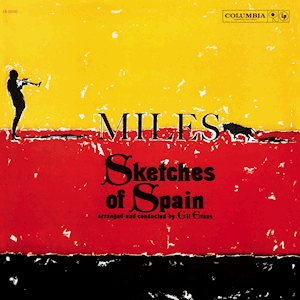
    Studio Album  ·  Released July 18, 1960  ·  Columbia Records CL 1480

    Arranged and Conducted by Gil Evans  ·  Produced by Teo Macero and Irving Townsend

    Recorded: November 1959 and March 1960  ·  Columbia 30th Street Studio, New York City

    My copy: 1974 Columbia Reissue  ·  Purchased April 2025, Habitat for Humanity, Seaside CA

    The Object

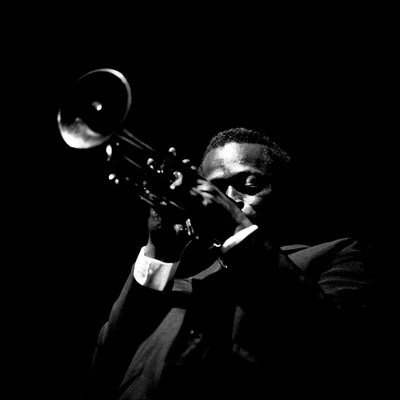
    This one ranks among Miles Davis’s best works. Before the 1970s funk experiments, before the electric period, there was this — the third entry in the Gil Evans trilogy alongside Miles Ahead and Porgy and Bess, and in some ways the most personal of the three. It arrived right after Kind of Blue, which is to say it arrived at the apex of one of the most fertile periods any jazz musician has ever had. Miles was 34. He was at his peak.

    Sketches of Spain is an example of what gets called third stream music — an amalgamation of jazz improvisation and full orchestral arrangement. But that label doesn’t quite capture what happens when you actually sit with this record. The mood here is geographic, cinematic, emotional. It’s a sense of longing projected through trumpet into Spanish landscape. Miles made music for moods. On this one, the mood is an entire region of the world.

    I found this 1974 Columbia reissue at the Habitat for Humanity thrift shop in Seaside, California in April 2025. Whoever owned it before kept it well — the cover is clean, the wax still has its sheen. It’s a fine copy and it will stay in the collection. This is one of those records you know belongs in the collection as soon as you see it.

    I’ve played this album many times in headphones while working at the NSA building in Fort Gordon, Georgia. That context matters. This is music that transforms the space around you. Put it on and wherever you are — a government building, a small apartment, a car — becomes somewhere else. That kind of transportive quality is rare.

    On Sketches of Spain, Miles plays trumpet but you hear something other than trumpet. He mimics the human voice with an intimacy that is his particular genius, and on this record he also imitates — inhabits, really — the voice of a classical guitar. The way he rose to that challenge was through total immersion in his influences. He didn’t approach the Spanish material as an outsider. He lived inside it until it became personal.

    “That one is a motherfucker.”

    Don Cheadle, playing Miles Davis in Miles Ahead (2015), says that about this record. He’s not wrong. Hearing him say this in the film, I now operate on a half-confident belief that this may have been Davis’s own favorite of his albums.

    “After we finished working on Sketches of Spain I didn’t have nothing inside of me. I was drained of all emotion and I didn’t know what to hear that music after I go through playing all that hard shit.”

    This tells you everything about what it cost him.

    The Music

    The Miles and Gil Evans Relationship

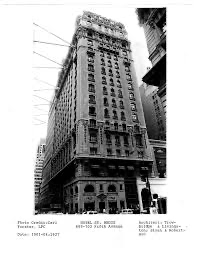
    Miles Davis and Gil Evans first met in 1947. Gil was 35, Miles was 21. Evans brought a classical and contemporary orchestral sensibility into the world of bebop at a moment when that world didn’t know it needed one. His apartment near the St. Regis Hotel in New York was a gathering place for artists — a room where ideas crossed over and contaminated each other in the best possible way, and Miles was one of the regular presences there.

    For Miles, Evans was something of a mentor — a man fourteen years older who understood both the jazz tradition and the European orchestral one, and who could build a bridge between them with an arranger’s precision and a composer’s imagination. Their collaborative trilogy — Miles Ahead (1957), Porgy and Bess (1958), Sketches of Spain (1960) — represents one of the sustained high points in recorded music of any kind. Evans brought functional perfection to these sessions. Miles brought the fire.

    The African connection to the Spanish material was not incidental to either of them. The Moorish influence on Andalusian music — the trace of North Africa and the Arabic world running through flamenco — was something both Evans and Miles were thinking about. Miles dove into Spanish folklore, flamenco, and the historical connections between Africa and Spain with the same depth of research he applied to everything. The Africa-by-way-of-Spain line in Western music was in both their heads. Miles made it personal by immersing himself so fully that the material stopped being research and started being instinct.

    The Inspiration

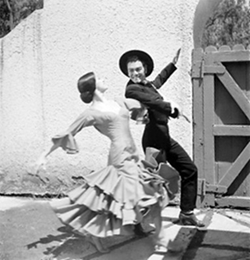
    In 1958, Miles was taken reluctantly, by his wife Frances Davis to see a company of Spanish dancers performing under choreographer Roberto Iglesias. The experience changed him. Back in New York, he bought every Spanish flamenco record he could find. Then he went deeper into Spanish folklore, into the traditional music, into the field recordings Alan Lomax had made in Spain. What you hear on this record is the result of that immersion. This record months of listening and absorbing before a single note was played in the studio.

    Miles always did this. One of the things I’ve come to understand about him is that underneath the iconoclasm and the myth was a serious researcher. He dove into rabbit holes with discipline. He didn’t play a tradition he hadn’t studied. On Sketches of Spain, that commitment is audible.

    Production

    Irving Townsend and Teo Macero were assigned by Columbia to produce the album, but Macero did most of the work. Teo Macero was already legendary. He was a saxophonist with real chops and a producer with serious ears. His collaboration with Miles on this record became the foundation for a working partnership that would last fifteen years and extend through Miles’s most experimental electric work.

    Miles’s approach in the studio was demanding and specific. He wanted his musicians to know the material by heart. He wanted them to read it, learn it, internalize it, and then play it from a place of genuine competence rather than sight-reading. The idea was freedom through preparation. You have to know the music completely before you can let go of it.

    The sessions were difficult. There was stopping and starting. Miles reportedly drank and doubted himself, saying at one point: ‘I always manage to try something I can’t do.’ That sentence is either the most honest thing a creative person can say or the most characteristic thing Miles Davis ever said. Eventually the sessions completed, and what they produced was one of the most cohesive records of his career.

    Trombonist Frank Rehak appears on this record as he did on Miles Ahead and Porgy and Bess — a constant in the Evans sessions, and a player Miles fought hard to have on this date, working through scheduling complications to get him there. Rehak’s presence across all three Evans collaborations gives the trilogy a tonal consistency.

    The Tracks

    Listening notes — January 11, 2026

    Side One

    1. Concierto de Aranjuez

    Recorded November 15 and 20, 1959  ·  Adagio movement

    The Concierto de Aranjuez was written in 1939 by Joaquín Rodrigo, a Spanish composer who was blind from the age of three and who wrote the piece for guitar and orchestra. The origin story of it ending up on this record is straightforward and audacious in equal measure: Miles heard the adagio movement and decided he could play the guitar part with his horn. Only the adagio portion appears here — the slow, central movement — and it occupies most of Side One. We can all be grateful for that decision. It is a powerful work.

    Rodrigo, famously, did not appreciate Miles’s version when he first heard it. Miles’s response was essentially: wait until the royalty checks arrive.

    Listening to this is like being placed deep in the Spanish countryside. Not the tourist version — somewhere real and quiet and ancient. It transports you regardless of where you actually are. I’ve heard it in Georgia, in California, in various unremarkable rooms, and each time the room disappears. The middle section with the castanets and flutes is one of my favorite passages. The final build is dramatic in the best possible way — peak emotional impact from a jazz trumpet player playing a classical guitar concerto.

    2. Will o’ the Wisp

    Recorded March 10, 1960

    Written by Manuel de Falla, another Spanish composer, from his ballet El amor brujo — which translates as ‘Bewitching Love.’ De Falla wrote some of this material as processional music, and parts of it were associated with traditional Spanish ceremony. It’s a different texture entirely from the Concierto — bouncy, tinny, slightly playful, with a galloping quality that puts you somewhere different. If the Concierto puts you in the countryside at dusk, Will o’ the Wisp puts you on horseback in the morning. Short, vivid.

    Side Two

    1. The Pan Piper

    Recorded March 10, 1960

    Based on a Phrygian folk melody from the Lomax field recordings — a shepherd’s tune, stripped down and made strange by Miles’s trumpet. The source material here comes directly from the traditional Spanish folk music Miles had been studying. It’s the quietest thing on the record, and in that quiet there’s something genuinely haunting.

    2. Saeta

    Recorded March 10, 1960

    A saeta is a Spanish religious a cappella genre — a spontaneous, passionate vocal outpouring performed during Semana Santa processions at Easter, sung from balconies or from the crowd as the religious floats pass below. It is street music with the intensity of prayer. Miles plays the trumpet in the role of that voice. He is the lone cry rising above the procession while the orchestra surrounds him as the crowd and the street and the weight of the occasion.

    Saeta and Solea are the two original works on this record, both inspired by Spanish tradition rather than adapted from existing compositions. They are gifts from Miles Davis to his inspiration. That he could produce work of this quality while operating from outside the tradition he was honoring is one of the most impressive things about this record. He earned the right through the research and the immersion.

    3. Solea

    Recorded March 10, 1960

    The closer. Contains a ten-minute trumpet solo from Miles, and what a ten minutes it is. Solea is a foundational form of flamenco — serious, deep, traditionally associated with sorrow and dignity in equal measure. The drums sway underneath, the orchestra provides the weight of tradition, and Miles plays above it all with the assurance of someone who has made this music completely his own. Bullfighter music. Trips to Spain from the living room.

    Closing

    A key record in every serious collection, as far as I’m concerned. This is not background music. It’s not mood setting in the ambient sense. You don’t put on Miles Davis to fill a room. You can put him on with intention, and this record rewards that intention fully. You can feel the inspiration. What Miles said about being drained after the sessions is audible in the performances. He left everything in the studio.

    For some listeners this record sits right next to Kind of Blue in terms of greatness. I understand that argument. It’s a different kind of achievement. Where Kind of Blue opened a modal door for jazz to walk through, Sketches of Spain crossed a geographic and cultural boundary that shouldn’t have been crossable at all. It represents a peak of the Evans collaboration and a serious new direction simultaneously. Both things are true. It holds them without contradiction.

    Whoever left this copy at the Habitat for Humanity did me a favor.

    Thanks for reading.

    RTR

  • Miles Davis – Kind of Blue

    Studio Album  | August 17, 1959 | Columbia Records

    Recorded March and April 1959 | Produced by Irving Townsend

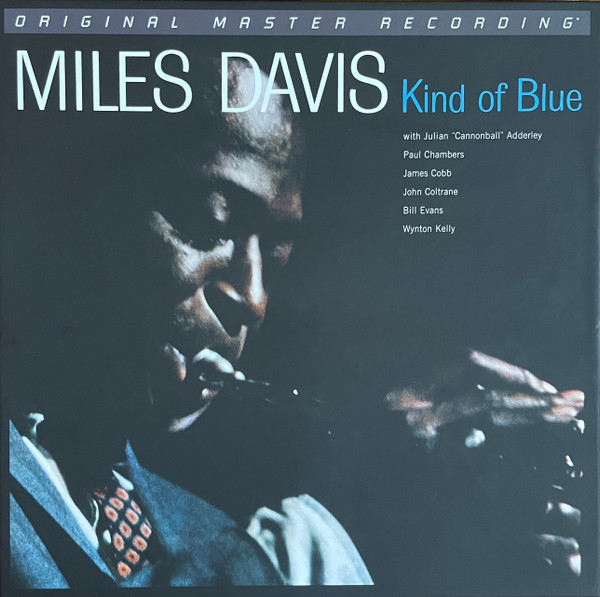
    My pressing: Mobile Fidelity Sound Lab (MOFI) Box Set, 2021  ·  45 RPM  ·  Purchased on Discogs, 2026

    For many people, this is their first jazz album. It wasn’t mine — but it became one of the most important records in my understanding of what jazz could be.

    I’ve been with Miles for a long time. I read his autobiography around 2018 or 2019, trying to understand the man and his music together. That book was my real introduction — not just to Miles, but to the wider world of jazz. Alongside Coltrane and Mingus, he forms the triumvirate that defines what I think of when I think of jazz greatness. Miles is the one I’ve followed most closely, given the most listening effort, and what comes back from that is a tremendous satisfaction. He was one of the best instrumentalists and pure musicians who ever lived. Full stop.

    I’d owned Kind of Blue on CD for years. Putting off the vinyl was intentional — I wanted an honest copy, something that did the record justice. The MOFI box set from 2021 was the answer. I bought it on Discogs in 2026, arrived open but in solid condition and ready to spin. The box is well made. The records are high quality. Each piece of music gets its own side or half-side at 45 RPM, which gives every track room to breathe. It’s a serious presentation of a serious album, and it sounds like it.


    Historical Context

    1959 was a year of radical divergence in jazz. John Cage could have been speaking about the music of that year when he said, “We are all going in different directions.” Ornette Coleman’s The Shape of Jazz to Come, Charles Mingus’s Mingus Ah Um, and Dave Brubeck’s Time Out all arrived that year — the latter two on Columbia, same label as Miles. Four dramatically different statements about how to organize jazz music. Each avant-garde in its own way. Each arguing for the technical possibilities and aesthetic reach of the music. Kind of Blue landed in the middle of all that, and somehow became the most enduring of them all.

    The album was recorded at Columbia’s 30th Street Studio in New York — a converted church with natural acoustics that Columbia relied on heavily for both jazz and classical recordings throughout the fifties and sixties. The room is part of the sound. That warmth, that space, that sense of air around every instrument — some of it is the playing, and some of it is the building.

    Miles was always a chameleon. Jimmy Cobb said he craved change, that he lived in the unknown and didn’t give any care about the consequences. By 1959, Miles had already moved through bebop, the Birth of the Cool sessions, and the hard bop of his First Great Quintet. Kind of Blue was a deliberate move away from all of that. The switch to modal improvisation was a rejection of the dense chord changes of hard bop — Miles wanted open space. He wanted his musicians to invent in real time, without the furniture of a complex harmonic map getting in the way.

    It’s as much a Bill Evans record as it is a Miles Davis record. The two men had been working through modal ideas together for some time before the sessions — Evans introduced Miles to Ravel and Khachaturian, and their conversations about scales, space, and color shaped the album’s entire conception. Miles said plainly: “I planned that album around the piano playing of Bill Evans.” Evans wrote the liner notes. He developed the frameworks for several tracks. Miles retained sole authorship credit, a decision that remains contested, but the collaboration was real and deep.

    The classical influence runs throughout. Debussy, Ravel, Bartók, Stravinsky, Khachaturian — Miles spent six months listening carefully to Khachaturian before these sessions and told Nat Hentoff in 1958 that what intrigued him was “all the different scales he uses — they’re different from the usual Western scales.” That search for new scalar resources is exactly what Kind of Blue delivered.

    None of these tunes were written out beforehand in any conventional sense. Miles arrived at the studio with sketches — outlines, scales, frameworks — and talked the band through them on the day. No rehearsals. First takes. What you hear on this record is musicians encountering the music for the first time and finding their way through it together. That’s the spontaneity you feel when you listen. It isn’t a myth. It’s documented.


    The Musicians

    Seven people walked into 30th Street Studio in the spring of 1959. The average age was 28.

    Miles Davis — Trumpet — Age 32

    Leader and composer. The King of Cool. Miles plays trumpet throughout, frequently with a Harmon mute, which gives his tone that intimate, almost whispered quality that defines much of this album. He was the architect — the one who set the parameters, chose the musicians, and created the conditions for what was about to happen. He didn’t always give detailed instructions. He didn’t have to. He knew who was in the room and trusted them. His solos on Kind of Blue are lessons in restraint: he gives you just enough, holds back just enough, and makes the space between the notes feel as important as the notes themselves.

    John Coltrane — Tenor Saxophone — Age 32

    Coltrane was developing what would become known as his “sheets of sound” approach — dense, cascading, harmonically complex runs that were the opposite of everything Kind of Blue was asking for. The album caught him at a crossroads. Modal playing required him to slow down, work with less, and resist his instincts. In his own words: “There was a time in the past that he was devoted to multichord structures… But now it seemed that he was moving in the opposite direction to the use of fewer and fewer chord changes.” The tension between his instincts and Miles’s vision is audible, especially on Flamenco Sketches — and it’s part of what makes his playing here so compelling. He wasn’t fully comfortable, and it shows in the best possible way. Within a few years he would record A Love Supreme and reshape jazz again.

    Cannonball Adderley — Alto Saxophone — Age 30

    Cannonball joined the group in 1958 and remained something of a legend in this lineup. His playing is warmer and more rooted in the blues than Coltrane’s, and he functions as the center of gravity between two extremes. Where Miles holds back and Coltrane pushes outward, Cannonball swings. His solos have a naturalness and ease that ground the record. His work on Freddie Freeloader in particular is some of the most joyful playing on the album.

    Bill Evans — Piano — Five Tracks — Age 28

    The essential collaborator. Evans had actually left Miles’s working band before the sessions — Wynton Kelly was the regular pianist — but Miles brought him back specifically for Kind of Blue. His impressionistic approach to the piano, rooted as much in Debussy and Ravel as in jazz, gave the album its particular atmospheric quality. His piece “Peace Piece,” recorded in 1958, provided the direct foundation for Flamenco Sketches — Miles heard it, liked it, and the morning of the second session the two men went to Miles’s apartment and worked out the five-scale cycle together at the piano. Evans sketched the scales out on a small piece of staff paper and wrote the instruction: “play in the sound of these scales.” Jimmy Cobb said afterward that the music sounded more like what Bill would play than what Miles would play. It’s an observation about how deep the influence ran.

    Wynton Kelly — Piano — One Track — Age 27

    Kelly plays on exactly one track — Freddie Freeloader — and it’s the most traditionally swinging moment on the album. His earthier, more blues-rooted style suited the 12-bar blues structure of the track better than Evans’s impressionism. Evans himself reportedly felt he had little to add to that particular song, and Kelly’s presence there is exactly right. The contrast between his playing and Evans’s across the album is one of the subtle pleasures of listening closely.

    Paul Chambers — Bass — Age 23

    Chambers had been working with Miles for four years by the time these sessions took place, and his opening bass line on So What — stating the melody before Miles even enters — is one of the most remarkable moments on the record. He was 23 years old. His playing holds the album together with remarkable poise for someone that young, and the warmth of his tone is a constant throughout. He died in 1969 at 33, largely without the recognition he deserved.

    Jimmy Cobb — Drums — Age 30

    Cobb joined the band after Philly Joe Jones departed and brought exactly what this music needed — restraint, openness, and a willingness to serve the moment rather than dominate it. He played brushes rather than sticks across much of the album, and Miles’s instruction was simple: keep it light, keep it open. Cobb honored that completely. He spoke about the sessions extensively in the Birth of the Cool documentary. He was still performing into his eighties and passed away in 2020 at 91, the last surviving member of the Kind of Blue sessions.


    The Music

    All tracks recorded at Columbia’s 30th Street Studio, New York City

    Record 1

    So What  |  March 2, 1959  |  Session 1

    The great opening. Chambers states the melody in the bass before anyone else plays a note — an extraordinary compositional choice that sets the tone immediately. When Miles enters, he gives you just enough. It’s a “so what” solo in the best sense — unhurried, deliberate, almost indifferent in the coolest possible way. Coltrane’s solo opens up and goes somewhere freer. Cannonball follows with something more down to earth. He’s the middle between the two extremes of Miles and Coltrane, and that dynamic plays out across the whole record. The sound quality on this MOFI pressing on this track is superb.

    Freddie Freeloader  |  March 2, 1959  |  Session 1

    The blues. Wynton Kelly on piano instead of Evans, and you feel the shift immediately — something earthier and more settled in the groove. The blues structure lets the musicians move around and feel comfortable in the way that a standard blues always does. Miles’s solo here has more joy to it, a little more generosity, his horn right up in the mic. And the way Coltrane enters this track — huge, insisting his voice into the recording — is one of the great moments on the album. Cannonball delivers another carefree solo. Kelly is exactly right throughout.

    Blue in Green  |  March 2, 1959  |  Session 1

    Slow down and settle in. Miles’s intro feels like a quiet stroll around the recording room — no urgency, no statement to make, just a presence. Bill Evans’s piano is the shining moment of this record for me. There’s a depth of emotion in his playing on this track that’s hard to articulate. He wrote the music. You can hear that it came from somewhere real.

    Record 2

    All Blues  |  March 2, 1959  |  Session 1

    A 12-bar blues in 6/8 — Miles took the standard blues form and gave it a waltz feel, which opens the whole thing up. There’s an urgency to it, a forward motion that’s different from what came before. Miles floats on top of that rhythm wave. One of the real pleasures of this album is hearing how distinct the three voices are — Miles, Coltrane, Adderley — and All Blues is a good place to sit with that. They’re three entirely different personalities contributing to the same conversation.

    Flamenco Sketches  |  April 22, 1959  |  Session 2

    My favorite track. It reaches somewhere the others don’t. The structure is unlike anything else on the record — five scales, each soloist moving through them at their own pace, no fixed time, no formal repetition. Beauty out of improvisation. I don’t always follow the jazz mechanics and theory, but I know what this sounds like. It’s music to think by. It’s music that moves the way thought moves — associative, patient, occasionally surprising. It reminds me of Sketches of Spain, another Miles record I love, and I don’t think that’s a coincidence.

    The ending is somewhat abrupt, but it tails off beautifully. It ends the way a good conversation ends — not with a conclusion, just a quiet agreement to stop talking.


    Closing

    This is the record that lifts any situation. It’s romantic and direct. It works in the foreground and the background. I hear something new every time I play it. It’s perfect for any occasion and takes me somewhere that makes me appreciate art in the best way — which is quietly, without needing to explain it.

    I’m not a jazz scholar. I’m a lover of music and musicians, and what I appreciate is the story of how artists move through their lives and what they leave behind. The story of Kind of Blue, and Miles Davis’s life leading up to it and after it, is a perfect distillation of what it looks like when an artist commits fully to doing his own thing. An exhibition of the unknown. A drift into the new.

    In some ways Miles was never the same after this record. It shot him into a wider popularity and defined this period of his career. He kept doing great things — the electric years, Sketches of Spain, Bitches Brew — but Kind of Blue stands apart. If you’re coming to Miles for the first time, this is where you start. If you’ve been with him a long time, this is where you return.

    Essential item in the collection. I can put this on for anyone, any time, and the day will be better than it was before.

    RTR


    Further Exploration

    3 Shades of Blue: Miles Davis, John Coltrane, Bill Evans, and the Lost Empire of Cool — James Kaplan

    Miles: The Autobiography — Miles Davis with Quincy Troupe

    Kind of Blue: The Making of the Miles Davis Masterpiece — Ashley Kahn

    Miles Davis: Birth of the Cool — Documentary, dir. Stanley Nelson, 2019