Studio Album | Released March 1965 | Recorded in 1964 in Seattle Washington | Etiquette Records | Produced by Buck Ormsby and Kent Morrill
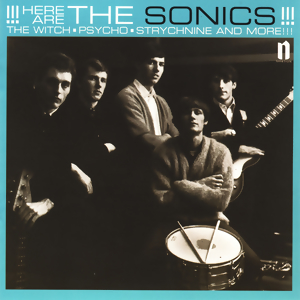
If you’ve made your rounds around the opinion farm about who the first punk rock band was, you’d find the biggest, showiest plants being the Stooges, the Ramones, or the Sex Pistols. Maybe even the Velvet Underground. But the old growth, the Ents of the music world, will lead you somewhere else entirely: a band from Tacoma, Washington, some very young guys making some very loud music. The Sonics. The original punk band. Their sound was about energy and attitude, about taking those two things and synthesizing them into pure rock that pushed every limit. The record is a blessed blow to the head every time you spin it.
Some folks call it garage. Whatever it is, it rocks, and I’m excited to present this band here as one of the earliest examples of pure rock music, maximum overdrive, born out of the influences of Little Richard, The Wailers, and all the other acts feeding this fertile scene, the Northwest garage scene. Around 1964 and 1965, the scene took a turn toward harsher music. It was dirtier than the Beatles. It had a rough edge. This music, from this scene in particular, would go on to influence early ’70s punk.
Very fertile ground indeed. The initial offering from the Sonics, Here Are The Sonics!!!, was a big deal for that scene. The hit single “The Witch” climbed to a pseudo number one for the local radio DJs, but the story behind it tells you everything about how far ahead of its time this band was. At the time, 1964 into 1965, a hit song about a woman with supernatural powers creeping around the neighborhood at night was just unheard of. It’s important to go back and remember that for this band’s sake and for the scene’s sake.
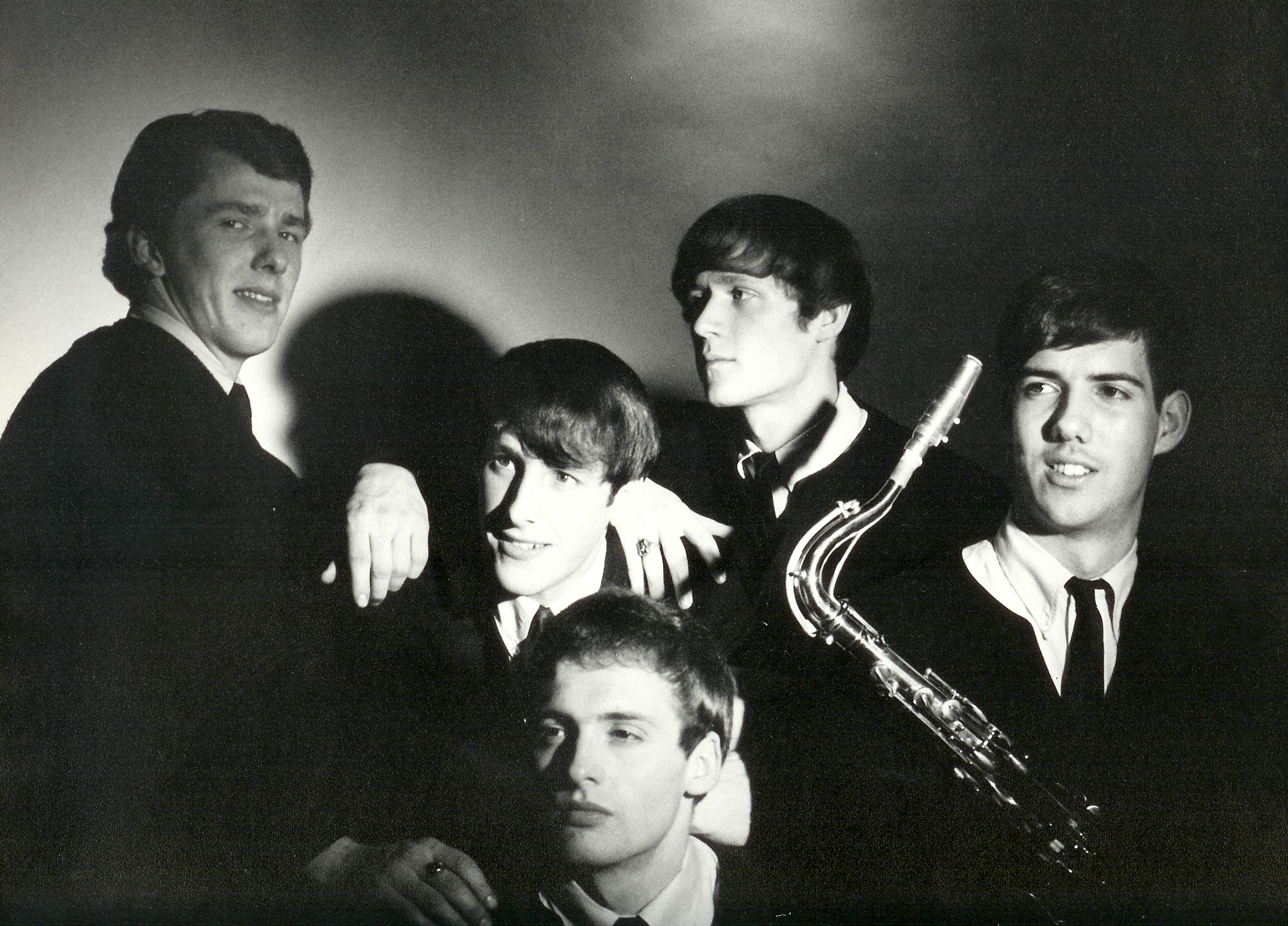
Much of the band’s sound came from three main elements: the wicked guitar of Larry Parypa, the saxophone of Rob Lind backing him up, and the raucous screeching ability in the vocals of Gerry Roslie. The final lineup we hear on the debut record was a product of the scene. Players came from other bands in the area, guys who were already gigging the local clubs, looking for that chance to do something great. Reading about these groups, you tend to notice how contained the scene was, which in any respect is what makes a scene great. What drove these young guys was simply to have a good time and play good music for the people in their area. This was not music made to change the world, in no sense. It was pure rock. For the early ’60s, you have to respect that.
By 1963 the band had formed into a solid unit: Andy and Larry Parypa on bass and guitar, Bob Bennett on drums, Rob Lind on sax, and Gerry Roslie on piano and vocals. This group started out playing purely instrumental, but at one show Gerry Roslie worked up the courage to sing, and what came out was pure and violent. From there the band’s whole motivation became aggression, pure rock energy on stage for people craving something high octane. Long before rock was metal or punk or alternative, this was something folks could dance to and also be scared by.
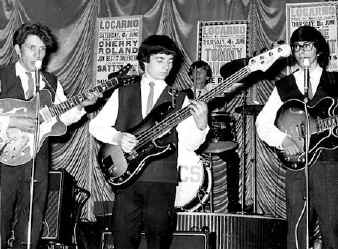
As their popularity rose, it came time to record a single. “The Witch” was a song a couple of the members had worked out in the vein of the popular dance crazes of the time, like the Mashed Potato, as Larry recalls it. The Sonics sought out some help recording it from a man who was already a legend in the scene, the bassist for the Wailers, Buck Ormsby. Even with his help, the recording was anything but smooth. It was cut at Commercial Productions studio in Seattle in 1964. The original lyrics got changed, the musicians were relentless with their energy, and what was supposed to be a vampy dance number became an unhinged proto-punk anthem. After the session, almost nobody involved was pleased with what went down.
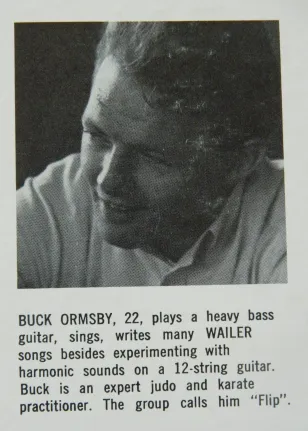
Buck liked it. That saved the group. He insisted that what they recorded needed to be released. He had the presence of mind to disagree with anyone who said “The Witch” wasn’t a quality recording, and he understood that it didn’t sound like anything else at the time. The 45 was released with a cover of Little Richard’s “Keep A-Knockin’” on the flip side. Buck took the single and, with his Wailers clout and street cred, convinced big-name DJs to play the record.
The popularity of the song shot off like a rocket. The single climbed the regional charts and eventually landed at number two. According to the legend that still gets told around here, the song had all the clout to hit number one, but the station management at KJR wouldn’t allow it. The policy was that a number one record had to be played at any hour of the day or night, and they figured a song called “The Witch,” too far out for daytime ears, would upset people. So they capped it at two. Petula Clark’s “Downtown” sat up top. Either way, the band had a regional smash on their hands.
Following up on the blastoff success of “The Witch,” the band cut another original. The reason was practical. Etiquette didn’t want to keep paying Little Richard royalties for “Keep A-Knockin’” on the B-side, so the Sonics needed an original to replace it. They came up with “Psycho.” Can you just not stop to appreciate any group with an A-side called “The Witch” and a B-side titled “Psycho”? People were probably having their minds blown just reading those titles. What’s more punk than that? It worked. The band blew up. Soon they were opening for the big groups of the day, sharing stages and hanging backstage with the Beach Boys. Their wildest dreams had become realities.
Eventually more original songs came, and their recording sessions, full of extreme distortion and blown eardrums, ended up with enough tracks to give their label, Etiquette Records, a full LP. The first record was affectionately called Here Are The Sonics!!!, the subtitle promising all sorts of scary nonsense:
“The Witch, Psycho, Strychnine and More!!!”
The Object
My copy is not an original, but it is one of the more sought-after recreations of this classic. It’s pressed by Norton Records, which popped up in the late ’80s with a mission to dust off forgotten gems and repress them for an audience craving older punk. This copy is a 1998 Norton issue. It maintains the original track listing but also adds a few bonus tracks: the original “Keep A-Knockin’” B-side, along with some goofy anti-Christmas Christmas songs.
What’s awesome about this record, in any variant, is its cover, shot by photographer Jini Dellaccio, who handled the imagery for both of the band’s Etiquette albums. In 1965 it was rare to see a band photo where the members weren’t doing some sort of goofy pose, making a weird gesture, or just smiling. Here the Sonics are all intensity, looking like they want you to challenge yourself and brace for some wild music. My favorite is Bob Bennett, posing in front of his snare drum, arms crossed, defiant stare, and a sweet hairy sweater. It’s punk, but it’s the 1965 version. So great. One of the best album images of the era.
What’s also great about this Norton reissue is the back cover, which in the tiniest font lays out the entire backstory for the group, at least what led to their formation and the recording of this LP, including some archival images. I’m appreciative of any record label that takes the time to publish a story that’s going to help people understand the music coming out of their speakers. This is part of what keeps bringing me back to the vinyl format after years and years. Here on this Norton release, it’s done very well.
The Music
The Witch
The LP starts off with the song that broke the group out, the one that got them signed to Etiquette. The track is so simple in its construction, but there’s a lot going on inside it. The subject matter, mixed with Roslie’s wailing vocals, creates what all the great songs have: atmosphere. Only here that atmosphere is a riot to the eardrums. There’s a guitar riff locked in with the bass and a drum line that rattles the senses, and over the top of it all the sultry sax weaves in with the guitar.
The recording was overseen by Buck Ormsby, a member of the Wailers and one of the founders of the Etiquette label. Ormsby was also the de facto discoverer of the Sonics. He came to see them play in somebody’s garage, watched them tear through “The Witch,” and was hooked. The raw power of their live energy had to get put on tape. That proved eventful, because the recording equipment wasn’t taking the volume well. Things were breaking. The band was reportedly satisfied only when every VU meter sat pinned in the red, which drove the engineers to despair. You can hear it even in this final version: turn it up and you catch the strain on the gear. It’s a menace.
It begins with a sharp, quick snap of the snare, pow pow pow, and then bam, the riff hits. It’s very simple, and you can see why Larry the guitarist once claimed his playing wasn’t the best, but when you’re making music with energy like this, you can get away with less. There’s inspiration in that riff. And later in the song there’s a guitar solo worth discounting any self-deprecating thing Larry ever said about himself. It’s a blistering solo.
The lyrics come at you the same way the riff does, in basic rhyming meter and not about anything too complex. It’s just about a witch. A spooky lady, long black hair, driving a long black car, looking fine, creeping around the neighborhood while the normies sleep.
Do You Love Me
The second track is a Berry Gordy Jr. cover, performed in various iterations since the Contours first recorded it in 1962. This version takes that familiar tune and turns the volume up to the literal max. The snare is a machine gun, and Roslie really gets a chance to test the staying power of his larynx. Screaming is the order of the day on this one, and Roslie does a great job with it.
It’s a danceable tune, and it references the Mashed Potato. Worth noting that the preceding song, “The Witch,” was originally conceived as a faddish Halloween dance theme. The idea was to get people doing the Witch the same way they did the Mashed Potato.
Roll Over Beethoven
They just had to do a Chuck Berry song on their debut. This track was originally cut in 1956. Here, almost ten years later, the Sonics give it its due. On this cover you can really feel the energy of the room. The band sounds like they’re having a great time recording it. The songs for this record were tracked like a live show, and you can surely feel that here. It’s a great time. I think this is the track that shows most how much fun the band probably was before their breakout originals took over. It’s got that rocking Chuck Berry guitar along with the signature intro, and Larry takes another wicked solo.
If you read the lyrics, rock is the alpha here. Rock is the beginning. Anything before it doesn’t matter anymore.
Boss Hoss
The second original on the record, and a classic thing to write a song about: a muscle car. It’s pure and simple. The car is fast, it’s good looking, and it pulls attention from the girls in town. What’s more pure rock and roll than that?
A highlight here is the sax solo in the middle by Rob Lind. It’s a wild solo, perfectly placed in a track about a sweet ride. I don’t think a sax solo would have fit on “The Witch” or “Psycho,” but here it’s exactly right.
Dirty Robber
The Sonics here pay their respects to one of the biggest influences on their sound, the Wailers.
The Wailers’ influence on the Sonics, and on music overall, was huge. They were pivotal to the Northwest scene, and they mattered nationally for the evolution of rock. Andy Parypa once said the Wailers were the one group that could get the Sonics into a riotous mood.
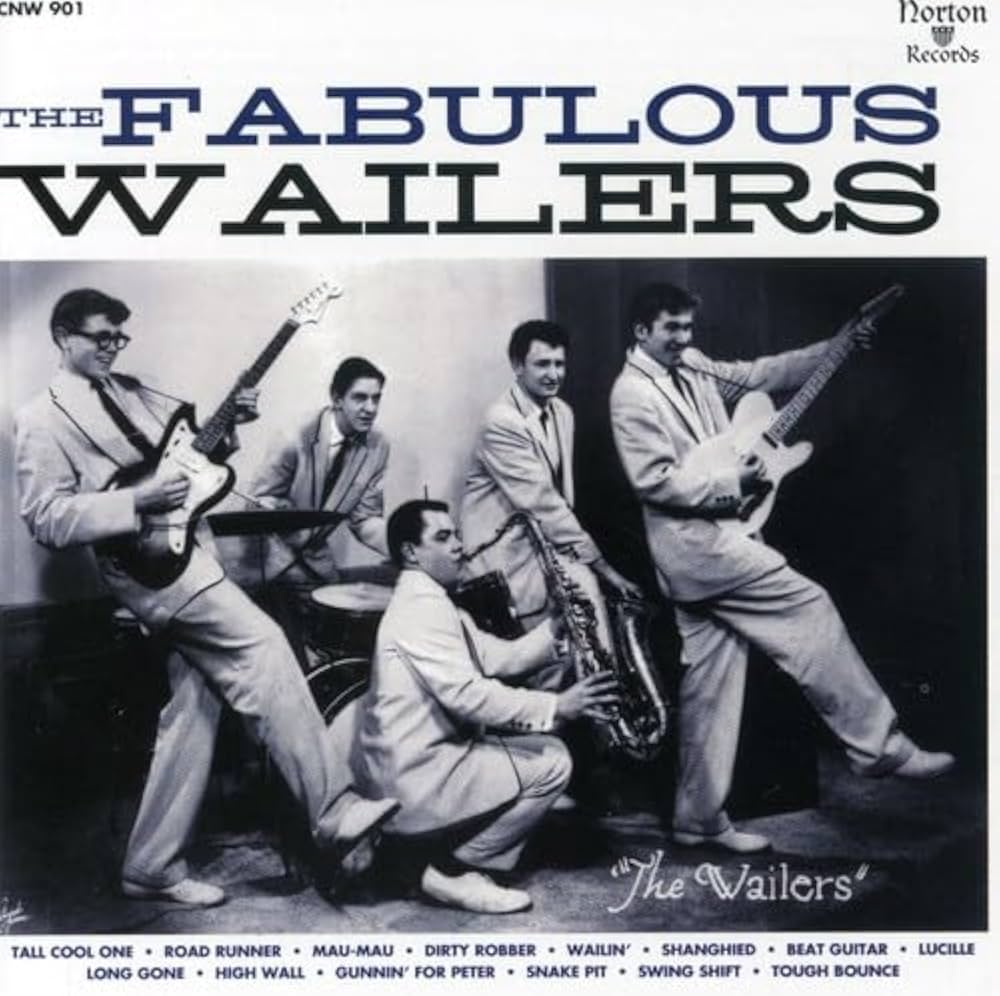
Another fantastic sax solo turns up here, along with another guitar solo. Each instrument gets a few sweet bars to stretch out, usually punctuated by a Gerry scream. The subject matter is simple too: a woman who takes more than she gives. If you put the Wailers’ version of this Little Richard-style rocker up against the Sonics’ version, you can see exactly what the Sonics were going for with their influences. Basically, take the energy and the vocal to the ultimate max. The lyrics are screamed more than sung. The drum hits are louder. The guitar and sax combo lands like a sledgehammer against a metal door. At this point in the record, any assumption that things will calm down gets killed by this track.
Have Love Will Travel
Perhaps the catchiest song on the record.
It’s a cover, originally cut by Richard Berry. This version by the Sonics is the definitive one, and it’s probably the most recognizable example of their signature sound. It’s been used in plenty of films and TV, and it earned the band a whole new wave of attention when it turned up in a 2004 Land Rover commercial.
The trifecta of guitar, sax, and bass is sublime here, and that guitar tone is quite distinctive. Another killer sax solo is featured, with Rob Lind ripping off some real rapid-fire improvised notes. Great track, and one of my favorite covers on the album.
Keep A-Knockin’
The start of the bonus tracks on this Norton release. As mentioned, this was the original B-side for the “The Witch” single. “Keep A-Knockin’” was made famous as a rock and roll number by Little Richard, and it’s easily one of the all-time most famous rock and roll songs and one of his best-known tracks.
A reworking by the Sonics, recorded right as they were getting into making their own music, makes sense. And hearing it here on this more comprehensive vinyl release makes sense too. Its value is in the completeness it adds. The tempo is cranked up, and the Sonics’ version sounds FAST. That quickness is propelled by some wicked drumming from Bob Bennett. Roslie flies through the lines like a whirling dervish of sound and syllables. His voice is rough, maybe from some serious overworking. All through the quick track, Rob Lind fills in on sax like an expert.
It’s a great song and a great first introduction to the Sonics. If this were the first thing you heard from them back in the day, you’d be hooked instantly.
Even years later, the resurrected version of the Sonics held onto that live sound:
Don’t Believe in Christmas
Another bonus track. This is pretty much the guys goofing around, being anti-Christmas. The song has a good R&B swing to it, but it lacks the energy and force of some of the other tracks. I really enjoy the organ on this one.
Side 2
Psycho
Side 2 starts with essentially the second original composition the Sonics cut to lacquer. In late 1964 and early 1965 you could buy a single with “The Witch” on one side and “Psycho” on the other. That’s a heavy-hitting 45 right there. The two songs share a relationship in their subject matter: the woman in “The Witch” could easily be the woman who’s driving the man crazy here, turning him psychotic.
It starts with something the Sonics were known for, a quick succession of whacks on the snare and then a launch straight into the first verse.
Baby, you’re driving me crazy. The subject is basically a woman’s behavior pushing a man off the edge, turning him into a psycho. Or just “Psycho” as a statement for the state of mind a man can be driven to by his woman’s behavior, good or bad, I’d assume.
Just the title alone must have been an inspiration to ’60s garage acts and to the punk groups that came later.
Money
A cover of “Money (That’s What I Want),” written by Janie Bradford and Berry Gordy and first cut by Barrett Strong in 1959. By the time the Sonics got to it, plenty of bands had taken a swing, but the Sonics do what the Sonics do: strip it down, crank it up, and ride that one greedy idea straight to the floor. Roslie sells the hunger in the lyric like he means every word, and the rhythm section keeps it locked and pounding. A simple, primal want, and the perfect kind of song for this band to maul.
Walkin’ the Dog
Rufus Thomas put this one down in 1963, a slinky little R&B number built around a nursery-rhyme hook. The Sonics take that slink and rough it up, turning a playful dance tune into something with more grit under its fingernails. The sax gives it some swing, but the energy stays high. It’s a fun one, and another example of how this band could grab any song off the radio and make it sound like theirs.
Night Time Is the Right Time
The famous version of this belongs to Ray Charles, all gospel call-and-response and slow-burn soul. The Sonics keep the bones of it but trade the smolder for sweat and volume. Roslie leans hard into the vocal, and the band turns the late-night ache of the original into something more desperate and raw. It’s a cover that shows they could handle a song with some emotional weight and still wreck it on purpose.
Strychnine
One of Roslie’s originals, and maybe the most gleefully unhinged concept on the whole record. Literally a song about poison, about how good poison is. The narrator would rather drink straight strychnine than water or wine. How punk is that? The riff is mean, the vocal is a snarl, and the whole thing leans into the band’s love of dark, dangerous subject matter played for kicks. Along with “The Witch” and “Psycho,” this is one of the originals that future punk bands would point back to.
Good Golly Miss Molly
The Sonics giving it up to another of their biggest influences, Little Richard. Originally a 1958 smash, it’s a rock and roll staple, and the Sonics treat it with the appropriate amount of disrespect, which is to say they play it loud, fast, and full tilt. Roslie was the right singer to take on a Little Richard scream, and he goes for it. A fitting way to close out the original LP, looping the record back around to the wild rock and roll roots that started the whole thing.
Santa Claus
Bonus track, and another one of the Sonics’ anti-Christmas originals. Same energy as their other holiday goofs: a kid complaining that Santa never brings what he wants, set to a churning garage rhythm. It’s silly, but the band commits, and the organ and sax keep it lively. Christmas music with a chip on its shoulder.
The Village Idiot
The last of the bonus material, and another bit of seasonal mischief from the band. It’s loose and goofy, more of a curio than a centerpiece, but on a release this comprehensive it earns its place. By the time you reach it, you’ve got the full picture of who these guys were, including their sense of humor.
Closing
This record is pure energy. It’s also fun. Lots of fun. It’s original rock and roll, and you can feel the power of rock all over it. Whether or not you factor in its influence, the record stands alone as a great piece of rock music. That’s something all the great records do. They stand alone, but they also make other people pick up their instruments and try to do something similar.
None of the tracks run longer than three minutes. There’s a pureness and a heavy weight to a record this full of blistering, no-fat tracks. The Sonics followed it up with another Etiquette LP, Boom. The second record didn’t do as well as the first, and the band slowly faded out of existence and popularity. The guys tried to keep things going, but it turned out they did the one thing most of them probably swore would never happen: they grew up and went all square. They led separate, basically normal lives after their short run with the Sonics.
The music lived on in the shadows of record store conversations across the country, mostly in the Northwest. Their songs landed on garage rock compilations, and those comps became famous overseas and elsewhere. Their legend grew, and the influence they had got passed down through the scene. In the late ’80s and ’90s, bands started imitating that raw Sonics energy. The guys themselves had no idea this was happening while their relatively normal lives kept rolling on. Then, years and years later, a reunion happened, and the band put out another great record. Rock never dies.
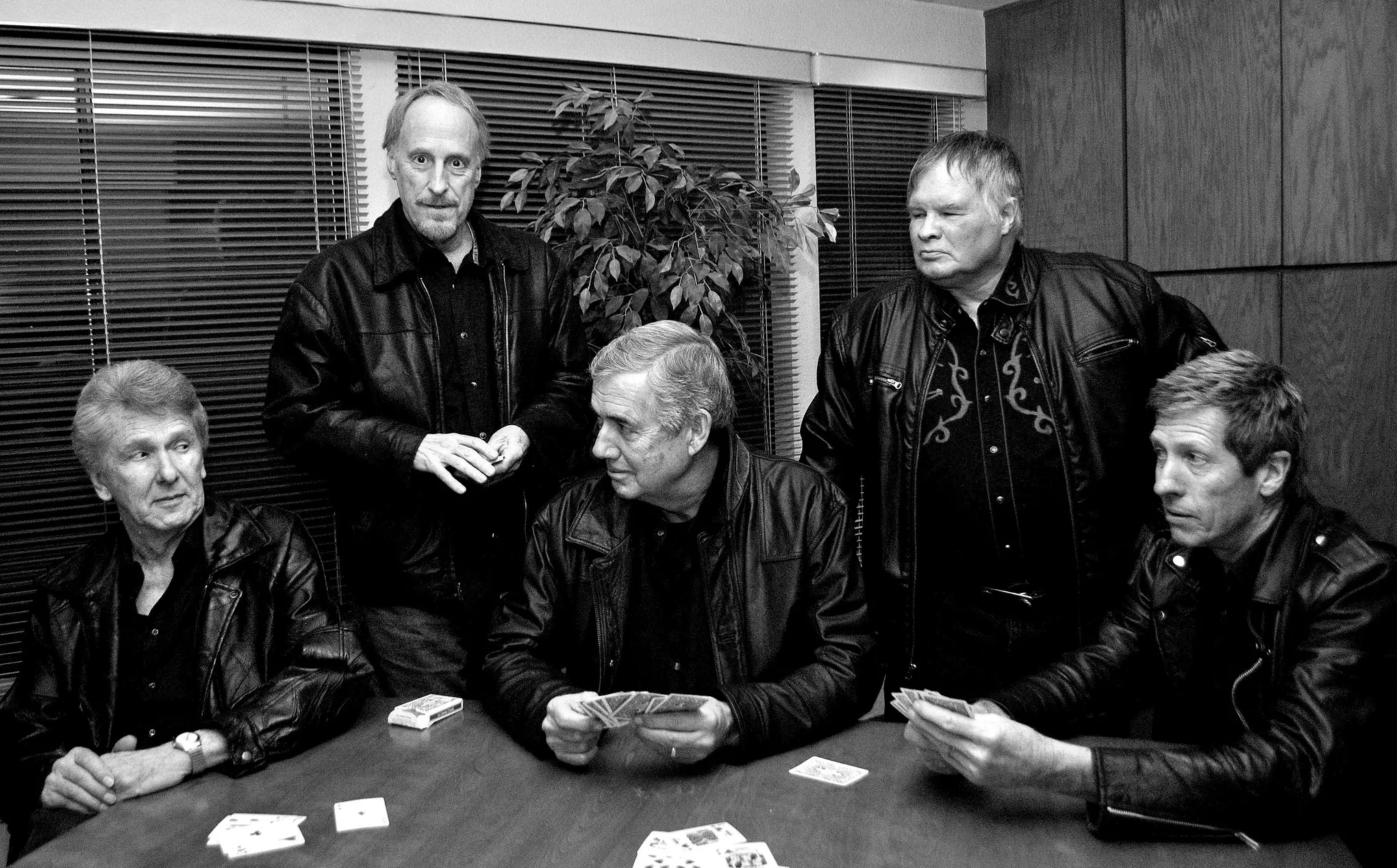
The Sonics’ influence can be heard in the heavy riffage, the bass and kick drum poundings, and the screeching vocals of Gerry Roslie. This was something different from R&B simply turned into a “whiter” sound. This was manic energy. It only could have come out of the Northwest scene. I myself have never spent time up in the Northwest, so I haven’t felt the energy of the setting that produced these neighborhood come-ups, but I have to pay my respects to one of punk’s originators. Bow to the greatness of the raw power of the SONICS!!!


Leave a comment