Studio Album | Released September 15th, 1965 | Recorded July 9-10, 1965 in Memphis, Tennessee at Stax Recording Studio| Volt Records | Produced by Jim Stewart and Steve Cropper
It’s been nearly 60 years since Otis Redding traveled to the 1967 Monterey Pop Festival. That performance is essential viewing for anyone with a heart. A heart for music? Even better.
Redding wowed the crowd. That same crowd would watch Jimi Hendrix set his guitar on fire, and catch Janis Joplin’s stunning breakout set. Otis performed his songs with grown man professionalism, even though he was still a very young man.
His presence as a performer was unmatched. The documentary proves it.
The foundation of that performance was his key 1965 album: Otis Blue.
Otis Redding, for me, is the embodiment of creating emotion through a voice. His voice is like tarnished antique wood. There’s fragility. There’s old school know-how, and there’s durability. It’s a voice you can build a house with. A sturdy, cozy, loving house.
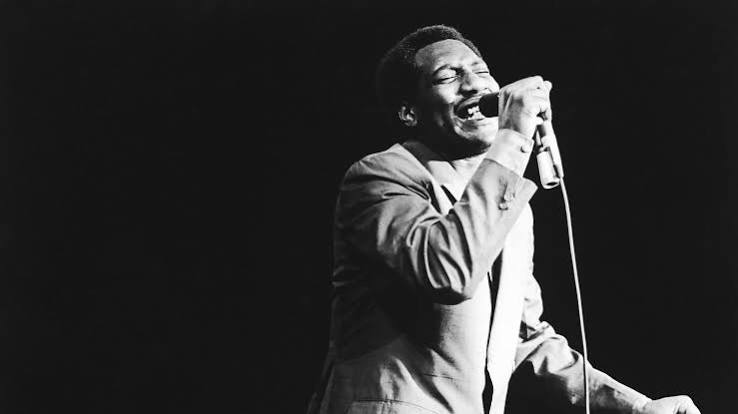
You can also hear the South in that voice. The soul of the South.
Otis’s talent was homegrown in Macon, Georgia. He came up much like James Brown did, in Georgia and in economic hardship. He came up simply. When he eventually landed at Stax, in Soulsville, U.S.A., Memphis, that simplicity carried over into his music.
My way into Otis Redding’s greatness is probably the same as a lot of folks in my generation. Aretha Franklin covered his song “Respect,” and one of my favorite movies growing up was The Blues Brothers.
Aretha’s “Respect” was probably my first introduction to the music of Otis Redding. I had to seek out the original. It’s one of the all-time great soul songs, and it appears on this record.
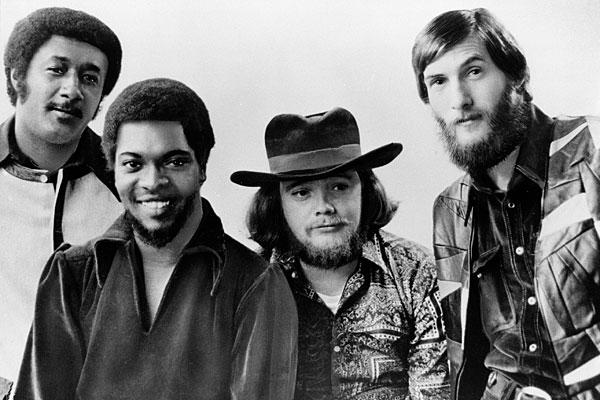
As for The Blues Brothers: we’re talking about putting the band back together. That band, the one on a mission from God, featured Steve Cropper and Donald “Duck” Dunn. Those two were part of the band that backed Otis at Stax.
Otis’s upbringing. He was born in Dawson, Georgia, and grew up in Macon. Other notable R&B artists from Georgia: Little Richard, born right there in Macon, and Ray Charles, born in Albany. Two Mount Rushmore figures, in my opinion.
Redding grew up singing in church. He made it to Memphis as a chauffeur. He was driving guitarist Johnny Jenkins to a recording session for Jim Stewart, head of Stax Records.
There was time left at the end of the session, and Otis got his chance to sing. “These Arms of Mine” came out of it. It became a local hit, then a national success on the R&B charts.
The single came out on Volt, the Stax subsidiary Stewart had set up, and Redding’s releases would be cut there from then on. He signed a long-term contract, and Steve Cropper, legendary guitarist of Booker T. & the M.G.’s, was told to work with him. Otis Blue would come out on Volt too, and end up in the hands of hordes of young fans.
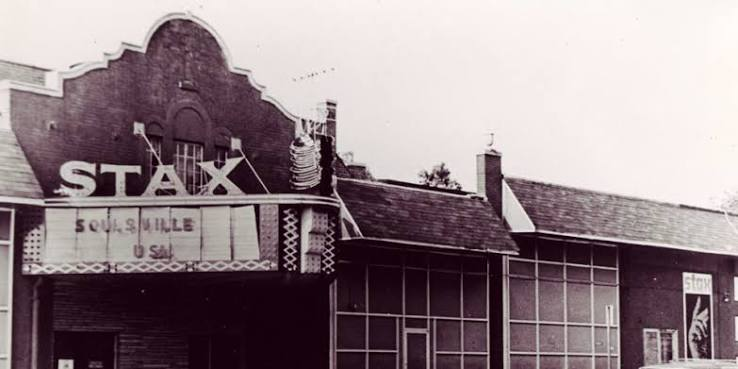
The location of the recording, Memphis, Soulsville U.S.A., is as relevant as anything else about this record. Stax Recording Studios produced some of the most legendary soul music of the era. Seek out the HBO documentary, Stax: Soulsville U.S.A., and watch it.
This was an extremely important time for American music, for America the country, and for the Southern states. Music made here was shipped off to the troops fighting in Vietnam. “Respect” became an anthem for young Black men and women fighting for their rights.
Memphis sat right in the middle of it. Midway between New Orleans and Detroit, it was a landing place for a huge number of African Americans moving from the South to the North. Inside the walls of Stax, a musical legacy was being built.
The studio sat at the crossroads of America. The music sat at the crossroads of soul, rhythm and blues, and rock.
Past, present, and future.
Otis happening for Stax changed the ball game. He cut records that shot the label up the charts, able to compete with Motown. By 1965, soul music was established. Black artists were in high demand, and Otis delivered. With Otis Blue, released that September, he had put together a true masterpiece.
The Object
I’m very happy with my copy of this record. It’s the 2025 Rhino reissue, from the Rhino Reserve series. These are quality releases, more than honest copies of some of the most classic records ever made.
An original in great condition was a bit out of the price range for this frugal guy. Most of the time, I’ll more than settle for a great reissue. This series recreates the cover perfectly, and the sound quality couldn’t be better.
My copy joined the collection in January 2026. It’s currently the only Otis Redding album I’ve got.
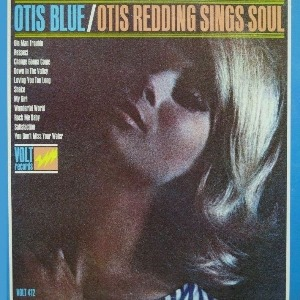
The cover is classic ’60s styling. Blue bars run down the left and right. “Otis Blue” sits in blue, with “Otis Redding Sings Soul” right next to it, and the Volt logo uses the same colors.
The label chose an image of a white woman for the cover. They thought it would sell more than a picture of Otis. Kinda makes sense if you think in terms of that time and context. Otis wasn’t a household name with white audiences yet, and this was his breakthrough. The model is attractive enough to grab anyone’s attention, really, and her seductive pose matches some of the love songs on the record.
Bob Rolontz’s liner notes take up most of the back cover. Apt descriptions of soul, and proper hype for Otis’s vocal ability and sound, are the running theme.
There’s something about the great soul records of the ’60s. They’re simple. The songs are usually short, and a lot of them fill up each side. But there’s a weight to the album. There’s heft.
It’s like the music weighs more, because of the emotion that produced it.
When I pick up these old soul records, even as represses, I feel that. With this great Otis Blue reissue, that’s definitely the truth. True heart and soul, bursting out of the voice of Otis Redding.
One of the great gifts to the world of music, Redding was.
The Music
The album was recorded in about 24 hours, across two sessions on July 9 and 10, 1965. The sessions were split because Booker T. & the M.G.’s had to leave to play their local gigs. They came back afterward to finish the record.
That’s serious dedication. Marathon playing.
These were consummate professionals and true musical craftsmen, with serious endurance. Likely, they were playing to earn their livelihood. Despite all that, you can still hear the fun and style they had on the record. You hear it in Steve Cropper’s chipper guitar, and in the chill bass of Donald “Duck” Dunn.
Adding to this, Otis had only three original songs ready when he went into the studio. He had covers in mind, but most of the songs were worked out in the studio. That adds another layer to what we hear. Talented, hardworking, knowledgeable musicians, backing a singer with a hunger to make something timeless.
These guys caught lightning in a bottle.
Ole Man Trouble
Urgency and energy, with a swell in the middle.
Perhaps my favorite track on the record. The opening guitar line and the horn fanfare put you in the right place. They get your attention ready for one of the best soul records ever.
There’s a moment when the horns are playing and you can hear an urgent “yeah” from Otis behind them. It’s that urgency, that live sound, that places you right in the Memphis studio with these musicians.
Up front, an artist pleading with Ole Man Trouble: stay away from me! The song is so emotional. He’s begging for the bad times to go away, for the trouble to end.
The drums, the bass, the horns, the guitar, and Otis. It’s damn near perfection. It ends way too soon, but it leads into another all-time great, perhaps the most famous soul song ever written.
Respect
A real jam. Low-down Memphis groove, and an amazing bass and piano rhythm section.
This track would become the most rewarding of Redding’s career. It went to number four on the R&B charts, and it became a massive success in Aretha Franklin’s version.
The story goes that Redding was griping about life on the road, and drummer Al Jackson Jr. asked him what he had to complain about. He was on the road all the time. All he could look for when he got home was a little respect.
Respect goes both ways. Miss Franklin had to record her version to make that abundantly clear.
The women’s liberation movement definitely helped make Aretha’s version popular. But hear Otis’s version first, right here on this record. Coming right after the opener, it moves with great force.
Change Gonna Come
Beautiful vocal, and sad. Guitar chords like a soundtrack to hard times. Recorded months after Cooke’s death.
Sam Cooke was one of Redding’s major influences, and Otis had to admire Cooke’s greatness. After Cooke’s death in December 1964, Redding made it clear he would carry on his legacy by recording three of his songs for this record.
The first one to arrive is this beautiful track. Cooke sang with a smoother, silkier style. Redding was rougher, his voice a bit more coarse and brutish.
What that adds here is personality. This was a personal statement. The pain of racial injustice is rendered beautifully in this version.
A terrific song, and a terrific way for Otis to honor one of his heroes. Including this track gives Otis Blue its real legitimacy. Southern boys playing around in Memphis? Sure. This work was important, though, and it meant something.
Down in the Valley
Gospel confessional. Redding plays the preacher at the pulpit toward the end.
His decision to cover a Solomon Burke track puts him right in the middle of where soul was meeting rock and roll. Redding’s version kicks off that bluesy, rock and roll style of soul from the very first raspy note.
This is the dirtiest track on the album. Man, you can feel some of the early rumblings of funk, or even slowed-down hip hop. That bass line, with the drums pulsing along, is such a groove.
The twang on the guitar. Then an extended section of Otis just putting it all out there on the field.
He’s fantastic on this track.
I’ve Been Loving You Too Long
The ballad he was famous for. A timeless love song. Its use in Twin Peaks brought me to tears.
With side one alone, this is a classic album.
When I think of this song, I think of the incredible live version from Monterey Pop. I also think of its use in Twin Peaks: The Return. The most romantic scene in that show has this song playing in the background.
Redding cowrote it with Jerry Butler, the original lead singer of the Impressions.
Shake
A very danceable song, and a great showcase for the backing band.
Another Sam Cooke cover. The song has a pulsing, danceable rhythm, and it shows off the sweet groove of the M.G.’s more than Otis’s swagger. There’s a fantastic bass line here.
My Girl
More groove, less polish. The horns are pure ear candy.
The contrast here is important. Listen to the Motown version by the Temptations. That song has legendary status, and it’s amazing to listen to as a classic love song.
With Redding’s version, you get the full picture of how Stax and the Memphis sound did things differently. The Temptations’ strings are replaced by the horn section. Isaac Hayes is on piano. The bass is still super tight, and the guitar sits further back in the mix. Redding sings solo, where the Temptations had the group dynamic.
The horns provide that lovely texture, and the twinkling piano underneath it all makes the Stax sound so distinct on this beautiful track.
A simple track about a simple theme: his girl, man. Your girl will always be your girl. The singer’s days are better because he has his girl beside him.
Otis gives a terrific rendition of this classic. An essential cover on the album.
Wonderful World
The third tribute to Sam Cooke, and a terrific track for Otis to cover here. Again, the arrangement behind Otis’s take on Cooke is perfect. The bass and drums really keep this song on the tracks.
It’s about here that we can say it. Next to Otis, the rhythm section wins the game ball on every single one of these tracks. They give the record its distinct groove and nature.
Essential.
Rock Me Baby
Bluesy and driving, B.B. King style.
B.B. King was the perfect subject for Redding to cover. Cropper adds a lot here. His precise guitar lines fit right alongside Otis’s vocals and improvisation on the blues legend’s “Rock Me Baby” theme.
Otis is pure masculine dominance on this track.
Satisfaction
A soul-infused version of an English rock hit.
The story goes that during the marathon session, Otis had to step out for a physical for the record company’s medical insurance. While he was gone, Steve Cropper decided it would be a good idea for Otis to cover this track. So what you hear in the grooves is Otis’s first try at a song he had just learned.
Otis gives the Rolling Stones classic some serious groove and soul. He also sings “satisfaction” as “satis-fashion.” He had just learned this shit. It’s amazing he could pick it up that quick and make it something truly unique, and truly his.
The track pulses more than the Stones’ version. The Stones would emulate the Otis Redding version when they played the song live.
You Don’t Miss Your Water
A ballad to end the record. A beautiful one, maybe the loveliest track on the album.
The record closes with an outstanding soul track. Superb. William Bell wrote it, and his original was a key early record for Stax. Some of the original M.G.’s played on that first recording.
The song is about regret over losing the love of your life after taking that person for granted. The title comes from the proverb, “You never miss the water till the well runs dry.”
It’s a great rendition by Otis. William Bell sang the original damn well, but Otis gave it the intensity and capital-S Soul the song needs. His version also has the full sound of the Stax studio. The horn section flourishes around Otis’s lines, and Steve Cropper’s little guitar twinkles give the song a new, updated feel.
Special recognition for the Byrds’ version on Sweetheart of the Rodeo. Country soul still counts as soul, if not more so.
Otis embodies the character of the song perfectly. You can feel the regret. His little vocal additions are so special, so unique to Otis.
An amazing track to end this amazing, pure record.
Closing
This record made the Stax sound famous. Pure Memphis soul, straight out of Soulsville, U.S.A. A direct response to the slickness of Motown.
It was a freight train bearing a load, and Otis Redding was the cargo. He sang with the gravitas of a grown ass man, even in his early twenties.
He commanded a strong presence, built on some key live performances. He could put out raw power on his bluesier, rocking songs, and absolute sympathy and pain on his soulful ballads.
Otis left an important legacy. His Monterey Pop performance is a must-see for anyone with a pulse, and especially anyone interested in music. He went on to record more hits, but his life was cut short. He died in a plane crash in December 1967. He was on the rise.
He was only 26.
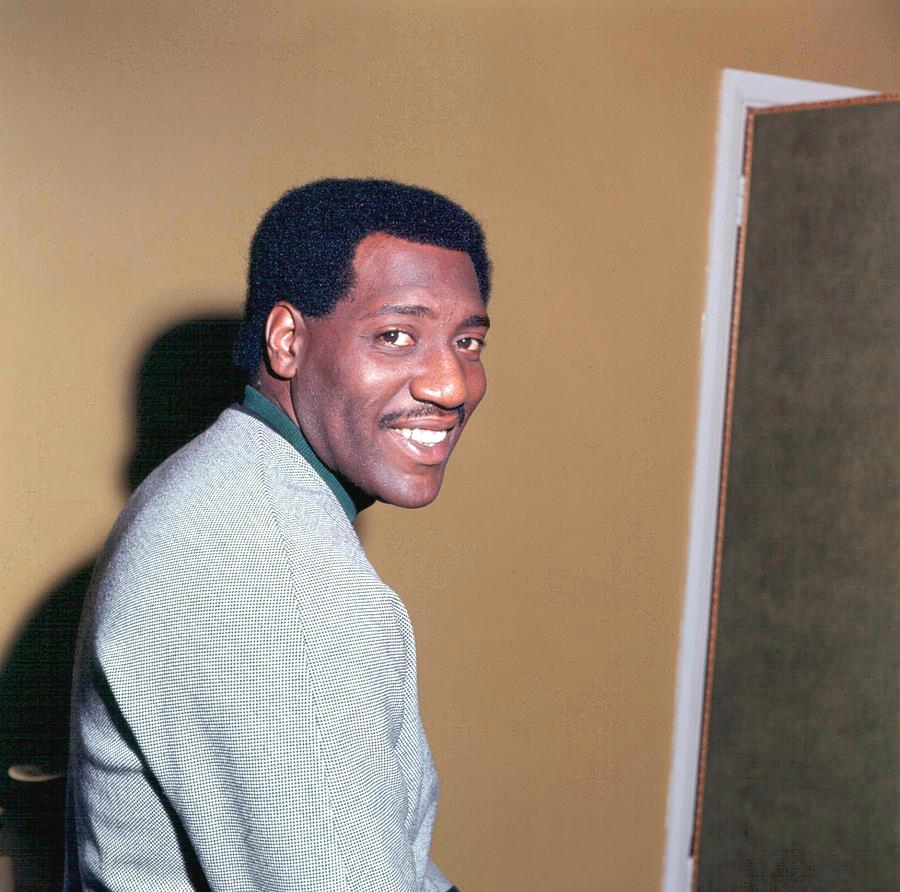
“Everything Otis touched, he made it his own.” Steve Cropper was amazed by Redding’s unmatched originality in how he embodied a song. I don’t think there’s any singer who inhabits a song more than Otis did.
His work in the Stax studio was unmatched. The ’60s were a better era for music for having been graced by even his short career.
This record is like listening to a tradition. It’s like gathering to hear some of the greatest working musicians of their era make some of the most effective music of the time. It’s impressive musically, and it’s got the emotion.
It’s soul.
A generation heading off to Vietnam. Heading off to protest Vietnam. Heading off to battle for civil rights, and to battle their inner selves. This record meant a lot to all those fighters.’
Thanks for reading,
RTR


Leave a Reply